

B40, M40 and T20 Classifications Retained, Government Reviews New Methods
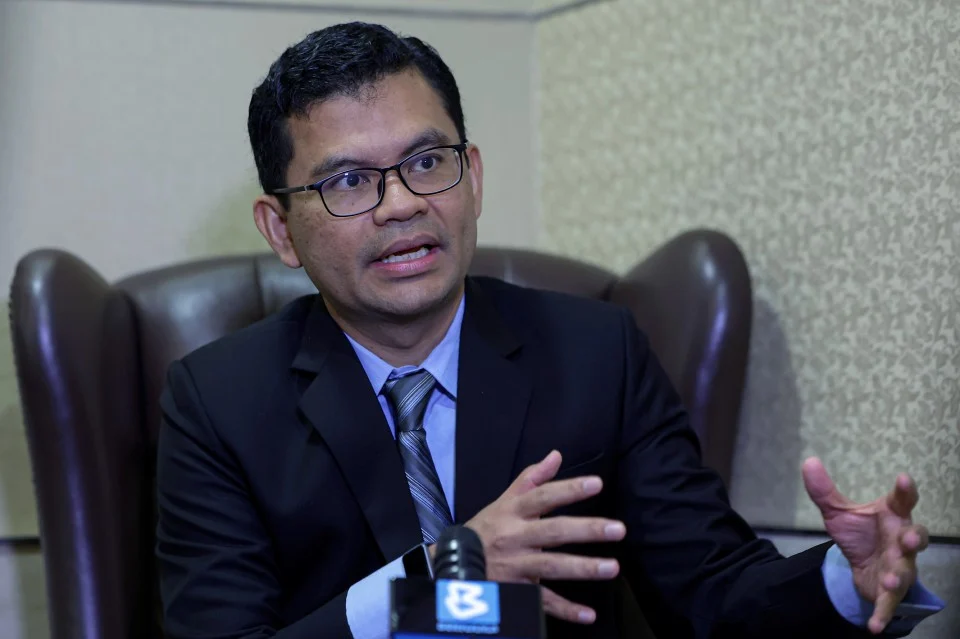
KUALA LUMPUR: The general eligibility limits for social assistance and poverty are still based on the latest national Poverty Line Income (PLI) of RM2,705 set in 2024, while the income classifications based on the B40, M40 and T20 groups continue to be retained as a reference for statistical analysis and the implementation of social assistance.
Minister of Economy, Akmal Nasrullah Mohd Nasir, however, said the government is considering a more inclusive and equitable method of determining target groups in driving the agenda of the 13th Malaysia Plan (RMK13) for the period 2026 to 2030.
He said the move aims to complement the classification based solely on gross income, which does not reflect the actual financial burden of households due to differences in locality, demographics, spending patterns and cost of living.
“The government is considering methods for determining target groups that are more inclusive and equitable as part of the RMK13 agenda.
“This step is to complement the classification based solely on gross income, which does not reflect the actual financial burden of households due to differences in locality, demographics and household spending patterns as well as the cost of living,” he said in a written reply to a parliamentary oral question published on the Parliament website.
He was responding to a question from Datuk Dr Ku Abdul Rahman Ku Ismail (PN-Kubang Pasu) who asked for an explanation on when the new socioeconomic classes to replace the B40, M40 and T20 classifications would be implemented.
Akmal Nasrullah said one of the methods being reviewed is the use of Net Disposable Income (NDI).
“The NDI approach goes beyond gross income assessment by taking into account the gross income of households minus statutory deductions such as the Employees Provident Fund (EPF), the Social Security Organisation (SOCSO), income tax and tithe.
“In addition, this method also includes the cost of Basic Minimum Expenditure (PAKW) according to locality, demographics and household spending patterns as well as the prices of goods and services,” he said.
He said PAKW currently serves as a local financial literacy guide to help the public plan their family’s reasonable living expenses according to their respective needs.
Regarding the implementation timeline, he said the review of the income classification requires further scrutiny as well as the availability of complete household data as outlined in RMK13 to ensure the effectiveness of its implementation.
Berita Harian