

Possible Trump-Taiwan Leader Call Sparks Fresh Tensions With China
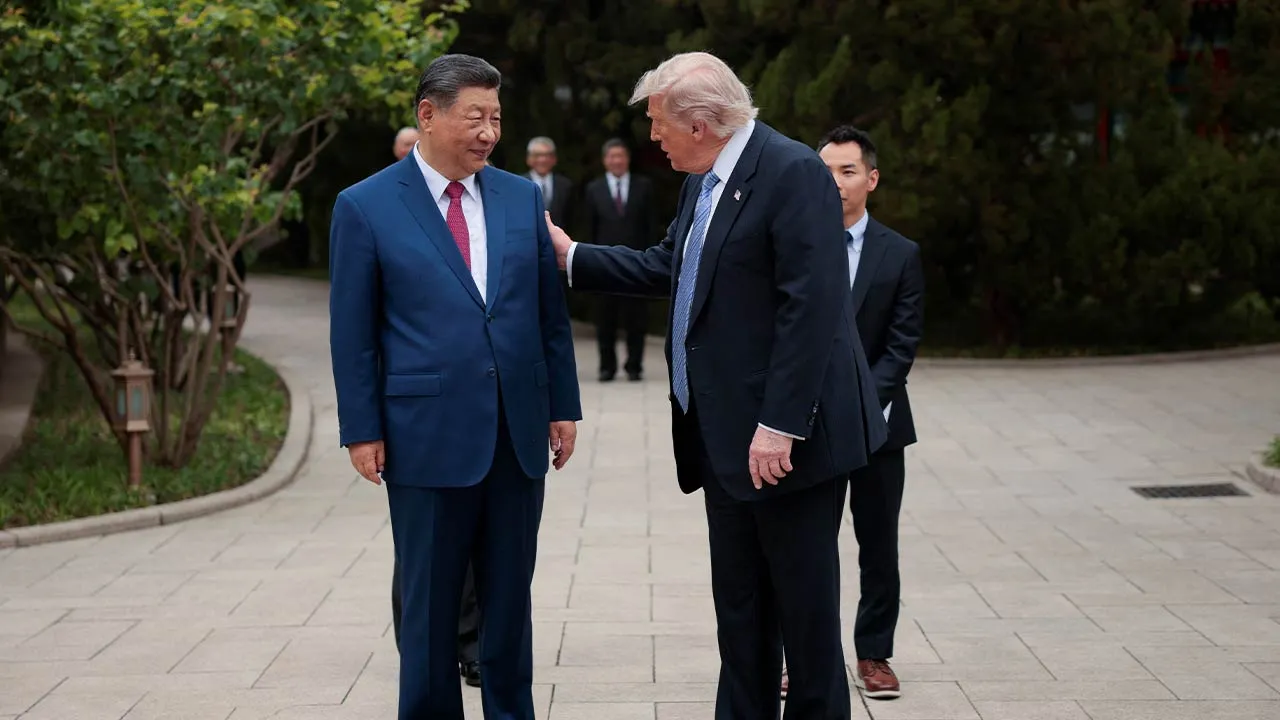
WASHINGTON: U.S. President Donald Trump has indicated that he plans to speak with Taiwan leader Lai Ching-te, a move that could sharply escalate tensions between Washington and Beijing and potentially trigger renewed Chinese military activity around the island.
Trump stated on Wednesday that he intended to hold talks with Lai, marking what would be an unprecedented direct engagement between a sitting U.S. president and Taiwan’s leader. It was the second time within a week that Trump publicly mentioned the possibility of such a conversation, dismissing earlier speculation that his previous remarks were accidental.
Taiwan welcomed the prospect of communication between the two leaders, although neither Washington nor Taipei has officially confirmed when the call could take place.
China, however, reacted cautiously but firmly. The Chinese Foreign Ministry urged the United States to “handle the Taiwan issue with extreme caution” and warned Washington against sending what it described as “wrong signals” to supporters of Taiwan independence.
Beijing considers Taiwan its most sensitive sovereignty issue and regards the island as part of China under the “One China” principle. Chinese authorities view Taiwan as unfinished business from the Chinese civil war in 1949, when the defeated Republic of China government relocated to the island after losing to communist forces led by Mao Zedong.
China has repeatedly stated that it would prefer “peaceful reunification” but has never ruled out the use of force to bring Taiwan under its control. Beijing also strongly opposes high-level contacts between foreign governments and Taiwan, describing them as interference in China’s internal affairs.
The issue has historically triggered sharp reactions from Beijing. In 2022, China launched major military exercises around Taiwan following a visit to Taipei by then-U.S. House Speaker Nancy Pelosi. China has also conducted several rounds of war games in response to U.S. political and military engagement with Taiwan.
Taiwan, meanwhile, insists it is a self-governed democratic state officially known as the Republic of China. Lai’s administration has repeatedly rejected Beijing’s sovereignty claims and maintained that Taiwan has the right to engage internationally and determine its own future.
Under the long-standing Taiwan Relations Act, the United States remains legally committed to helping Taiwan defend itself, despite officially recognising Beijing instead of Taipei since 1979 under the “One China” policy.
The possible Trump-Lai conversation has drawn particular attention because of Trump’s previous direct contact with Taiwan’s leadership. In 2016, shortly after winning the presidential election, Trump held a phone call with then-Taiwan President Tsai Ing-wen, breaking decades of diplomatic precedent and prompting diplomatic protests from Beijing.
Analysts warn that any new direct communication between Trump and Taiwan’s president could once again strain U.S.-China relations at a time of heightened geopolitical rivalry in the Asia-Pacific region.