

PM Anwar Orders Ministries to Ensure Aid Reaches Target Groups Amid Global Supply Pressure
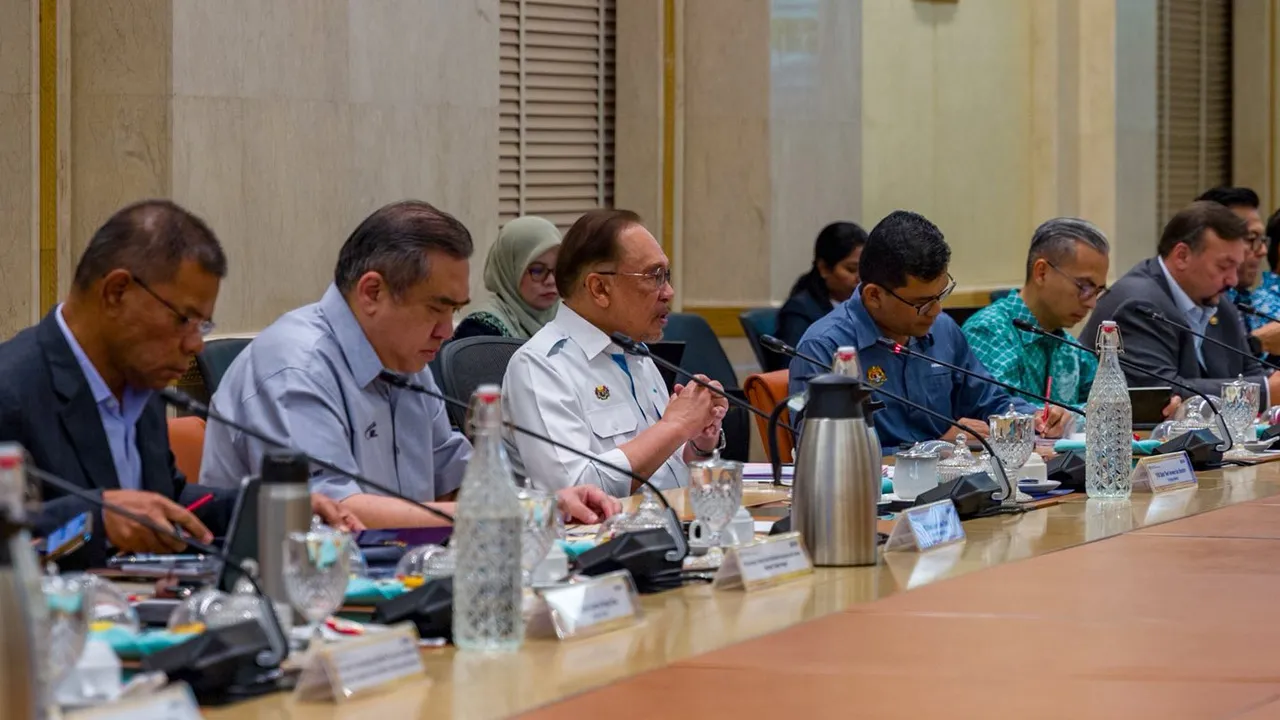
KUALA LUMPUR: Prime Minister Datuk Seri Anwar Ibrahim has directed all ministries to realign and coordinate their initiatives, assistance, and programmes to ensure that aid effectively reaches target groups, particularly the poor and vulnerable communities.
Anwar, who also serves as finance minister, said the directive was made in response to growing global supply chain disruptions that are increasingly putting pressure on the prices of daily essentials.
The matter was discussed during the National Economic Action Council (MTEN) meeting, which he chaired on Tuesday, where several key proposals and initiatives were reviewed to strengthen Malaysia’s economic resilience during the ongoing global challenges.
“MTEN will continue to focus on ensuring supply stability and protecting the people, especially vulnerable groups and small traders, so they are not further burdened by global economic shocks,” he said in a Facebook post.
The Prime Minister also stressed that more local authorities (PBTs) nationwide should implement rental reductions for business premises to ease the burden on small traders and hawkers facing rising operational costs.
He noted that the MADANI government has already introduced rental reductions through Kuala Lumpur City Hall (DBKL) and Majlis Amanah Rakyat (MARA), adding that such compassionate measures should be replicated by other local councils across the country.
“This compassionate approach should be emulated by all PBTs for the well-being of the people and the survival of small businesses in an increasingly challenging global economy,” he said.
Anwar added that the meeting also examined several strategic measures to address global uncertainties and rising cost-of-living pressures. These include the development of a global supply crisis monitoring dashboard and proposed improvements to policies related to supply and pricing.
Earlier, Economy Minister Datuk Seri Rafizi Ramli’s deputy, Akmal Nasrullah Mohd Nasir, said MTEN had urged local authorities and state governments to reduce rental rates for premises under their jurisdiction with immediate effect.
He also said the Global Supply Crisis Monitoring Dashboard, jointly developed by the Ministry of Economy and the Department of Statistics Malaysia, is expected to be accessible to the public starting May 15.