

‘We Protect Teachers, Children Are the Priority’ – Fadhlina
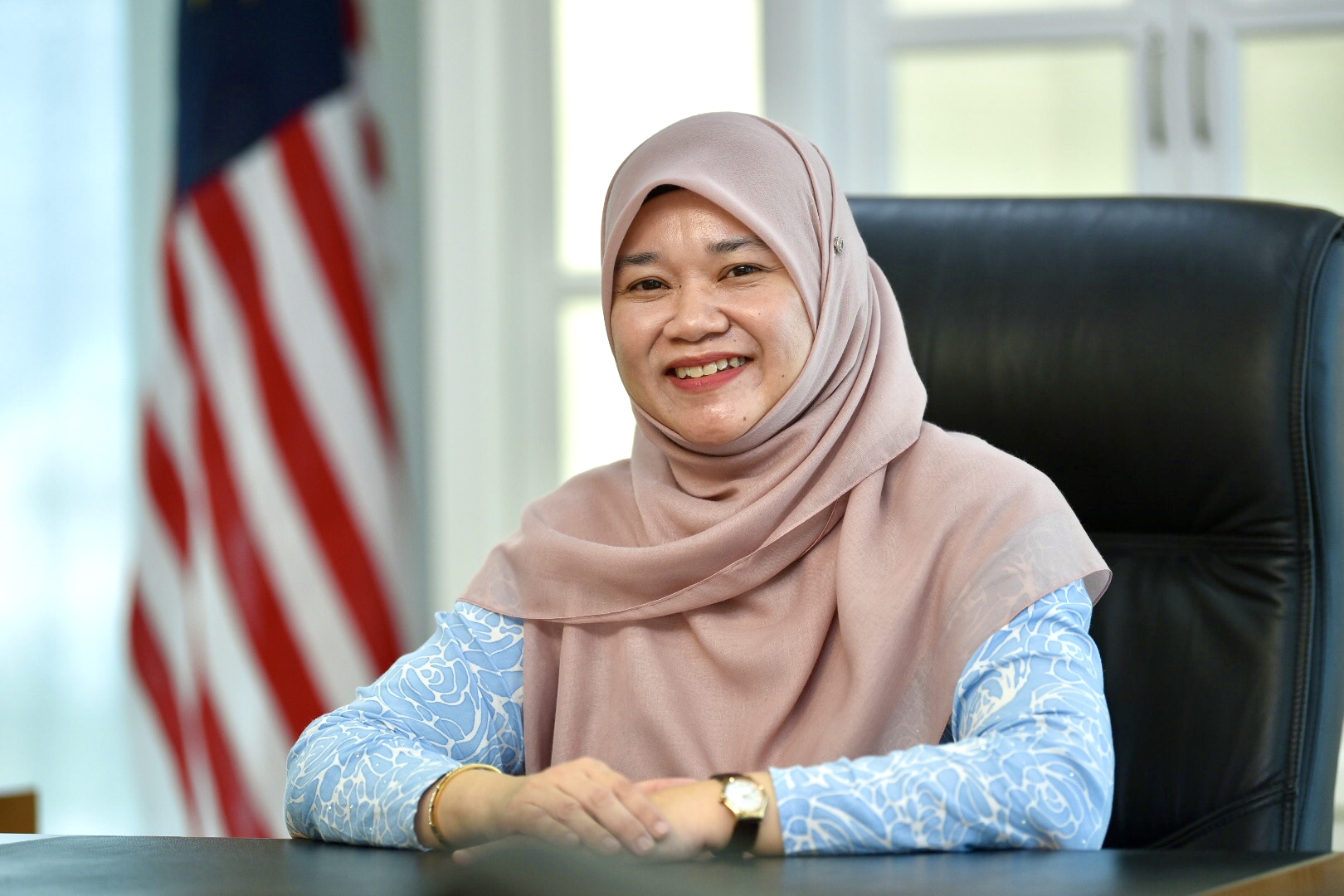
PUTRAJAYA: Issues such as teachers’ workload, student dropouts, and educational inequality are not new. However, the latest approach by the Ministry of Education Malaysia (MOE) signals clearly that students and educators are now at the forefront of national education planning.
Education Minister Fadhlina Sidek said District Education Offices (PPD) and State Education Departments (JPN) serve as the backbone of successful implementation of education policies and initiatives at the school level.
According to her, strong execution at the grassroots level is crucial to ensure that every policy and plan formulated truly benefits schools, teachers, and students.
Speaking as a panelist at the National Education Forum: Driving the National Education Leap 2026–2035, Fadhlina said the MOE is committed to safeguarding teachers’ welfare and reducing non-teaching-related administrative burdens.
At the same time, she stressed that such reductions must be accompanied by teachers’ commitment to continuously enhance their professionalism and to focus fully on students’ teaching and learning (T&L).
She emphasized that current education planning is designed with children’s interests as the top priority, with students expected to gain greater benefits from the policies and measures being implemented.
At the same time, Fadhlina acknowledged that the MOE continues to face challenges related to student dropouts. As such, several fundamental issues must be addressed, including ensuring fair access to education, recognising achievements from various perspectives, and achieving a full 99 percent implementation of the Compulsory Education Policy.
She added that once these basic needs are strengthened, attention will be directed toward addressing dropout rates at the secondary school level, as well as tackling dropout issues among Orang Asli students.
Fadhlina also highlighted persistent education gaps, including challenges related to the Malaysian Certificate of Education (SPM), shortages of learning devices, and limited internet connectivity that remains a constraint in certain areas.
In addition, she stressed the importance of parental and community involvement in ensuring the success of the national education agenda, urging all parties to view education planning as a shared responsibility.
Parents, she said, are encouraged to seek accurate information and not view the MOE’s efforts solely through the lens of criticism, as many issues need to be resolved urgently for the sake of children’s future.
“This planning does not belong to any single party. It belongs to all of us, and we must work together to ensure our children receive a better education,” she said.