

Washington Residents Protest as Federal Patrols Begin Around the Clock
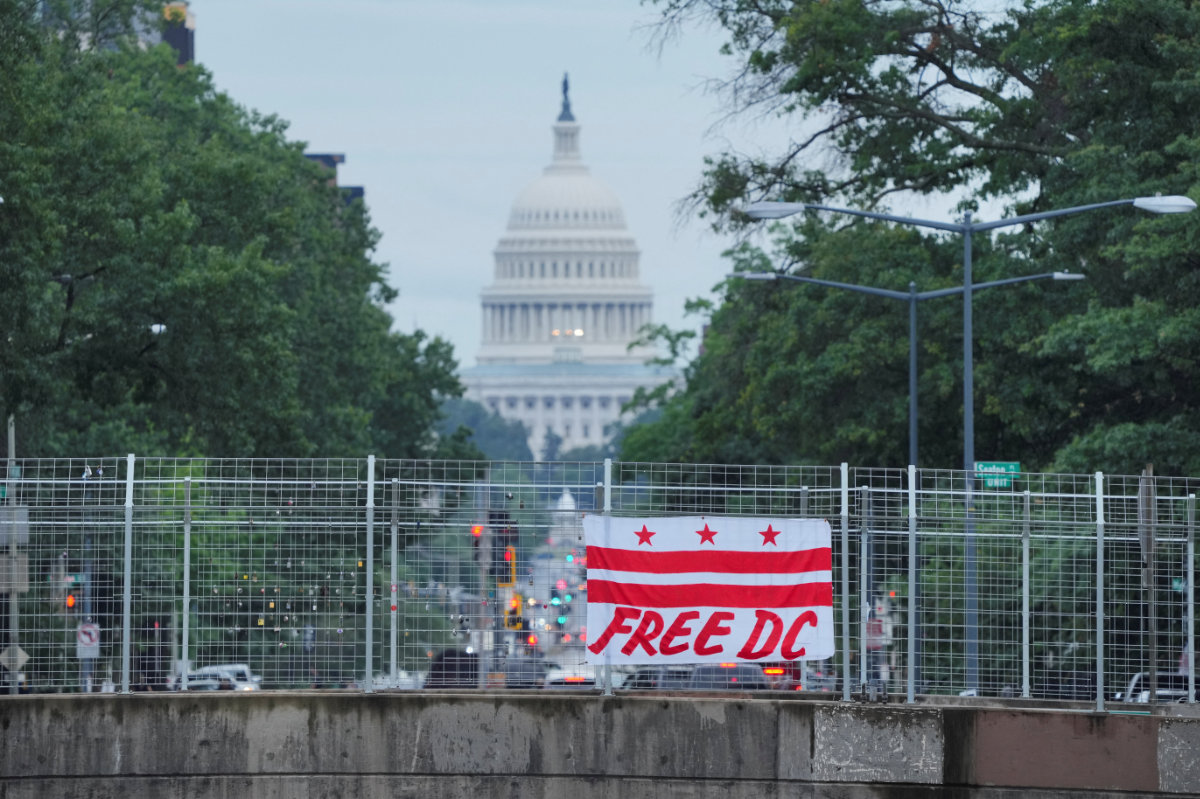
WASHINGTON:A growing wave of protests erupted in Washington, D.C., on Wednesday after the White House confirmed that federal agents and National Guard troops would maintain 24/7 patrols across the city for at least a month.
The move comes days after President Donald Trump announced his administration would temporarily take control of the D.C. police department, citing “emergency-level crime” in the capital, a claim disputed by city leaders who point to statistics showing violent crime at a 30-year low following a spike two years ago.
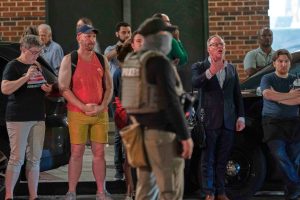
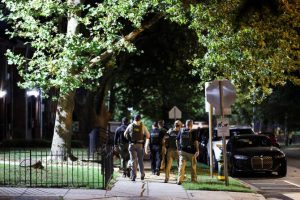
In the busy 14th Street Northwest corridor, residents confronted officers at newly established vehicle checkpoints, chanting “Go home, fascists” and urging drivers to avoid the area. The increased police presence began earlier this week, but Wednesday marked a visible escalation, with Homeland Security, DEA, FBI, and National Guard units spread across key neighborhoods, including U Street, Navy Yard, and the National Mall.
According to the White House, the joint operation between federal and local forces has resulted in more than 100 arrests since last week, including for DUI, unlawful entry, and assault with a deadly weapon. Seven illegal firearms were seized.
While some city officials welcomed the additional manpower, D.C.’s police force is reportedly down nearly 800 officers; others condemned the intervention as unnecessary and politically motivated.
“This sounds like a normal Saturday night in any big city,” said D.C. Councilmember Christina Henderson, dismissing the arrest numbers. She warned that Trump’s authority to control the police for 30 days could be extended if Congress agrees, adding, “It’s Day Three, and he’s already saying he’ll need more time?”
Trump, however, doubled down, writing on Truth Social that the city was “under siege from thugs and killers” and was now “back under Federal Control where it belongs.”
Part of the federal push includes clearing homeless encampments, with the Park Police removing dozens of tents in recent months and more evictions planned this week. Officials say those displaced are being offered shelter and addiction treatment, but those who refuse risk fines or arrest.
For many residents, the heightened security is causing unease. “It’s more fearful now,” said Sheina Taylor, a lifelong Washingtonian. “Even if you’re a law-abiding citizen, you don’t know what could happen, especially being African American in D.C.”
While the long-term impact of the operation remains unclear, both supporters and critics agree the city has entered an unprecedented period of federal oversight, one that could deepen political divisions in the months ahead.