

Bangladesh Tops South Asia in Child Marriage Rates as Post-Pandemic Crisis Deepens
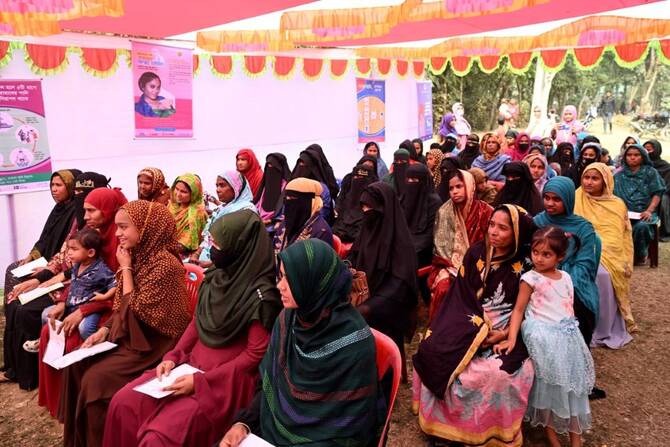
DHAKA, July 15— Bangladesh now has the highest rate of child marriage in South Asia, with over half of all girls married before the age of 18, according to the latest UN data—a trend that experts say has worsened since the COVID-19 pandemic.
The alarming figure comes from the United Nations Population Fund (UNFPA) annual report, which reveals that 51 percent of Bangladeshi girls are married before adulthood, a significant rise compared to 33 percent before the pandemic. The rate now surpasses other South Asian nations, with Afghanistan at 29 percent, India at 23 percent, and Pakistan at 18 percent.
Bangladesh has historically ranked among the top countries globally for child marriage, but the recent spike marks a worrying deterioration. Activists blame the pandemic for accelerating the crisis, citing increased poverty, school closures, and reduced social protections during lockdowns.
“Before the COVID-19 pandemic, we were making progress,” said Rasheda K. Chowdhury, a prominent education advocate and Executive Director of the Campaign for Popular Education (CAMPE). “But the pandemic disrupted everything. Families lost income, education was paused, and vulnerable girls were the first to pay the price.”
According to data from the Bangladesh Bureau of Statistics, child marriage rates have increased by several percentage points annually since 2020. With schools closed and economic pressures mounting, many families saw early marriage as a way to ease financial burdens.
“Our research found that many guardians—especially from underprivileged communities—opted to marry off their daughters to reduce household expenses,” Chowdhury added. “Poverty is the root cause.”
Bangladesh’s child marriage rates are particularly surprising given its regional leadership in female education. The country has the highest rate of girls enrolled in secondary education in South Asia. However, experts say education alone is not enough without broader societal change.
“Bangladesh has invested heavily in infrastructure but less in human development,” Chowdhury said. “The government cannot police every household. Local communities must step up to stop this harmful practice.”
In rural and remote regions, social stigma, limited educational access beyond class eight, and cultural norms continue to drive early marriages.
“In many villages, girls are seen as a burden,” said Azizul Haque, project manager at World Vision Bangladesh. “When they finish class eight, there’s often no higher school nearby, and they’re left at home with no purpose. This creates pressure to marry them off.”
Haque emphasized the urgent need for stronger public awareness campaigns. “We must educate families about the dangers of child marriage—health risks, loss of education, and long-term economic harm. Only then can we change mindsets.”
While Bangladesh has laws prohibiting child marriage under 18, enforcement remains weak, and loopholes often allow exceptions. Experts are urging the government, NGOs, and religious leaders to work together to reinforce both legislation and social norms.
“Ending child marriage requires a united front,” Chowdhury said. “We need policies, protection, and a cultural shift. This is not just about girls—it’s about the future of our nation.”
As Bangladesh works toward its development goals under Vision 2041, activists warn that rising child marriage threatens to undermine gains in gender equality, education, and economic progress.