

Taliban will forbid Afghan women from studying health sciences, therefore aggravating the problems in healthcare and education
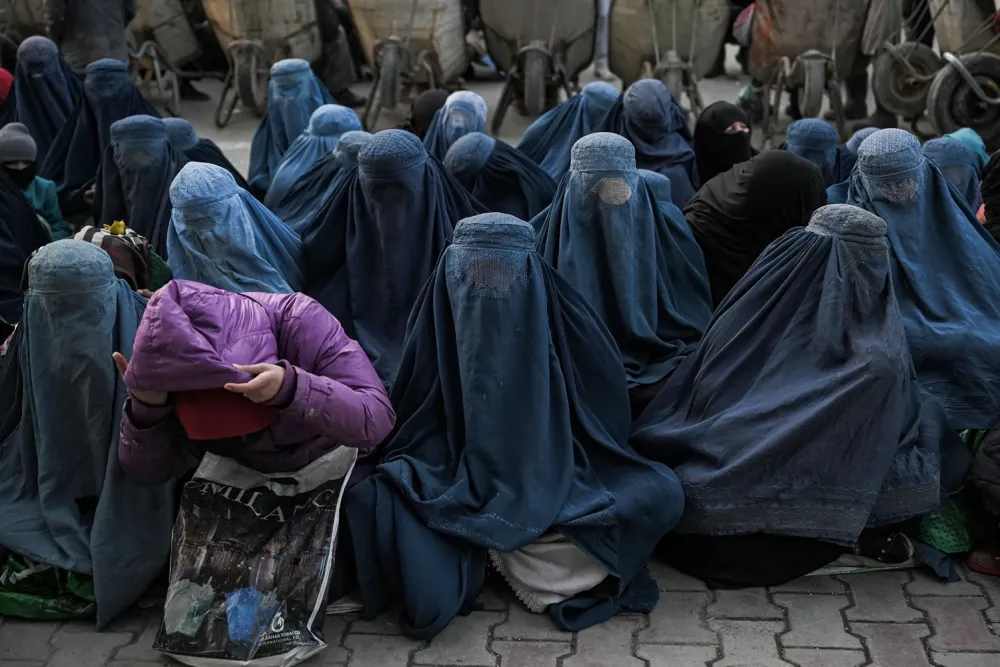
Senior staff at several nursing and midwifery schools in Afghanistan announced on Tuesday that the Taliban supreme leader’s order would prevent women from attending classes.
Unauthorized to speak to the media, a public health ministry official told AFP that health officials met with Kabul’s school heads on Monday to inform them of the decision.
“There is no official letter, but the directors of institutes were told in a meeting that girls and women can no longer study there,” he said.
“The supreme leader only gave them his order and told them to carry it out; he gave them no details or reasons.”
There were dozens of other managers present, according to a school manager who attended the meeting but wished to remain anonymous for fear of reprisal.
A high-level worker at a different center told AFP that his boss had been at a separate meeting with health officials on Tuesday because there was confusion about the rule.
The employee stated that schools have 10 days to conduct final exams.
Some managers asked the ministry to be more clear, while others went on as usual since there wasn’t a written order.
Not long after the Taliban took back power in 2021, they made it illegal for girls to go to school past secondary school. The UN called these rules “gender apartheid.”
Women students then flocked to health schools, which were one of the few places they could still go.
They now represent the majority of the children in these centers.
About 10 state and more than 150 private health institutes in Afghanistan offer two-year diplomas in 18 fields, from midwifery to anesthesia, pharmacy, and dentistry. According to sources from the health ministry, these institutes enroll 35,000 women.
“What are we going to do with only 10% of our students?” asked one boss.
Aysha (not her real name), a nursing teacher at a private school in Kabul, said she got a message from management telling her not to work until further notice, but they didn’t say why.
“We’re really shocked by this.” The 28-year-old expressed his mental shock.
“This was the only place where girls and women who were not allowed in universities could find hope.”
The chargé d’affaires for the UK said that the stories made him “deeply concerned.”
He wrote on the social media site X, “This is another attack on women’s right to education and will make it harder for Afghan women and children to get medical care.”
A person in the health ministry said that the ban would damage the health sector even more than it already is.
“We already lack professional medical and paramedical staff, and this would worsen things.”