

Palestinian health system faces most critical crisis in history
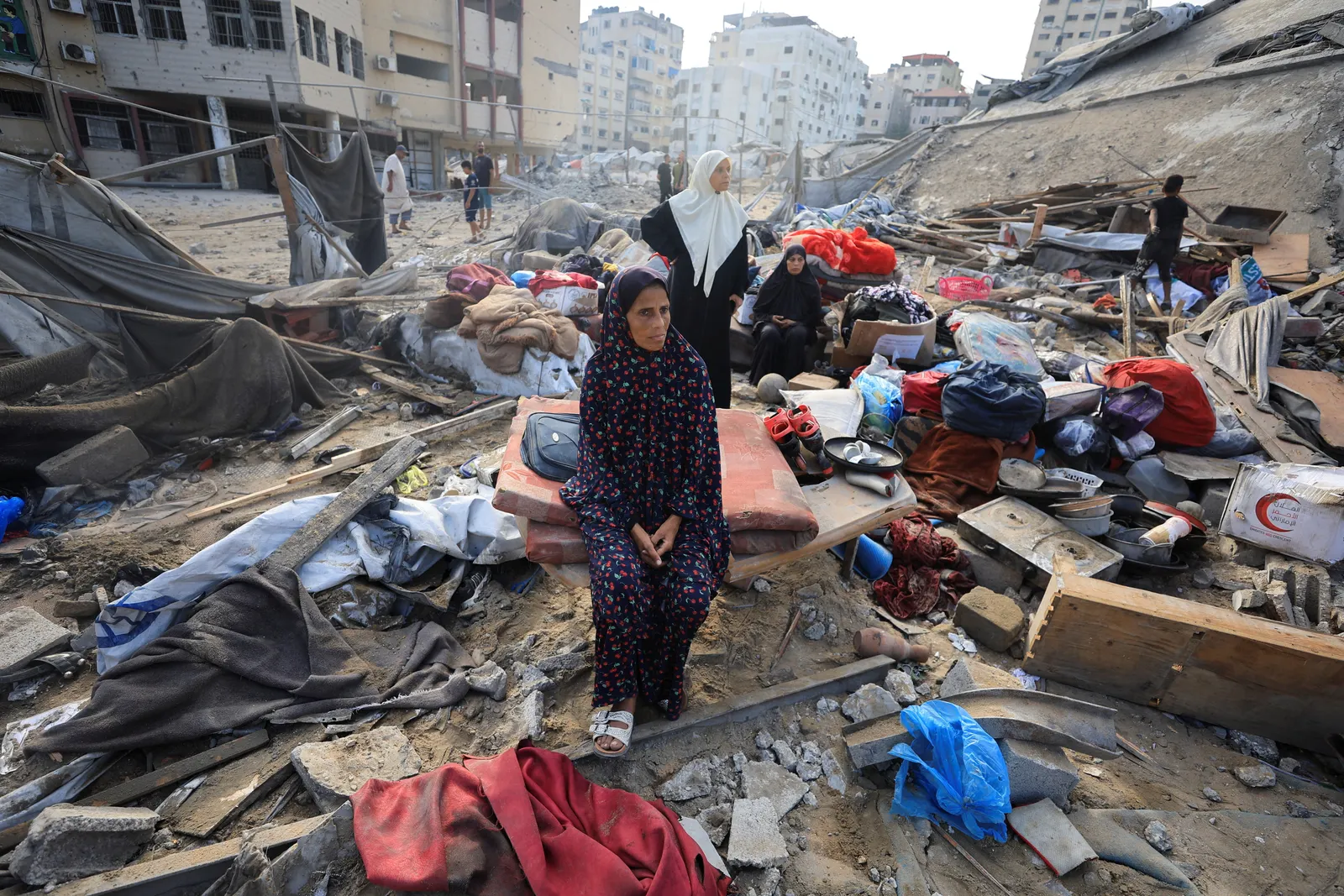
RAMALLAH: The healthcare system in Palestine is facing the most critical period in its history, according to the country’s Ministry of Health on Saturday, reported by the Palestinian News & Information Agency (WAFA).
The ministry cited the ongoing Israeli attacks on the Gaza Strip, the increase in attacks by Israeli forces and settlers in the occupied West Bank including Jerusalem, and the severe financial crisis affecting the Palestinian government as among the factors influencing the situation.
In a statement, the ministry informed that the Gaza health system continues to operate under dire humanitarian and medical conditions amid repeated attacks on hospitals and health centres, in addition to shortages of medical supplies and fuel, and increasing pressure on healthcare facilities to continue providing life‑saving services.
The ministry renewed its urgent appeal to the United Nations, the World Health Organization, the International Committee of the Red Cross, humanitarian organisations, influential countries and human rights groups to fulfil their legal and humanitarian responsibilities by pressing Israel to allow the regular entry of medicines, medical supplies, fuel and humanitarian aid into Gaza.
It also called for the establishment of safe humanitarian corridors to ensure the unhindered movement of medical supplies, patients and injured individuals, as well as for the protection of healthcare facilities and medical personnel in accordance with international humanitarian law.
Health Minister Majed Abu Ramadan said that protecting the Palestinian healthcare system is not only a Palestinian issue but also a legal and moral responsibility of the international community.
He said that denying patients access to treatment, preventing the delivery of medical supplies, and targeting healthcare facilities and personnel are serious violations of international humanitarian law that require concrete action.
The ministry praised medical, healthcare and administrative workers in Gaza for what it described as their extraordinary resilience and dedication despite losing family members, being displaced, being attacked, and enduring the destruction of homes and severe shortages of basic necessities.
Abu Ramadan said that healthcare workers in Gaza have shown that the humanitarian mission of doctors, nurses, paramedics and other health professionals overcomes the suffering caused by war, adding that their sacrifices are greatly appreciated by the ministry and the Palestinian people.
The ministry also expressed its support for Palestinian healthcare professionals who have been forced to leave Gaza for their safety or to pursue education and careers, saying they remain part of the country’s healthcare system and their departure is due to the extraordinary circumstances caused by the war.
It added that medical staff in the occupied West Bank, including Jerusalem, continue to provide healthcare services despite increased Israeli military attacks, restrictions on ambulance movement and financial challenges.
The ministry remains committed to ensuring that healthcare services continue to operate, managing available resources efficiently, strengthening the resilience of the healthcare system, and coordinating with the Palestinian government, international partners and local communities to mobilise political, financial and humanitarian support in order to sustain healthcare services and mitigate the impact of the crisis.
BERNAMA