

Majority of Indonesians Want Opposition in Parliament to Balance Prabowo’s Power: Survey
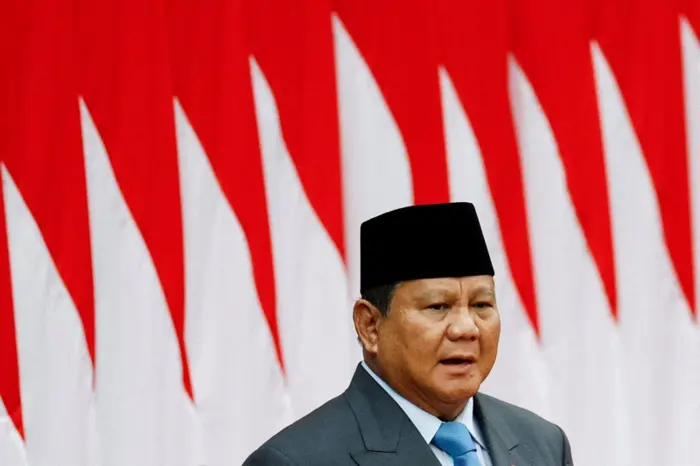
JAKARTA, Sept 8: A majority of Indonesians believe parliament needs an opposition party to provide a check on President Prabowo Subianto’s dominant ruling coalition, according to a Kompas survey released Monday.
The poll, conducted from August 11 to 14, found that 58.4% of respondents support the presence of at least one opposition force in the legislature. Prabowo’s coalition currently controls about 81% of parliamentary seats the largest majority since Indonesia’s democratic transition following the fall of Suharto.
The Indonesian Democratic Party of Struggle (PDI-P) holds the remaining seats but has insisted it is not playing an opposition role, despite staying outside the administration.
Concerns about the lack of checks and balances have intensified in recent weeks. Public anger erupted in late August after revelations of generous housing allowances for lawmakers. The perks triggered widespread demonstrations that turned violent, leaving at least 10 people dead and prompting the government to revoke the benefits.
The Kompas survey, which sampled over 500 respondents across 38 provinces with a margin of error of 4.2%, also showed public disillusionment with political parties. Around 56% of respondents said parties fail to represent their interests, citing corruption, unfulfilled promises, and weak engagement with citizens.
Views on the role of PDI-P differed depending on political affiliation. Supporters of Prabowo’s Gerindra and its ally Golkar tended to favor bringing PDI-P into the coalition. Others, however, argued PDI-P should remain outside to act as a watchdog, a role the party historically played under both Suharto and former president Susilo Bambang Yudhoyono.
Despite calls for stronger opposition, PDI-P leader Megawati Soekarnoputri reiterated in August that her party would not serve in that capacity. Shortly after her comments, one of her close aides previously jailed was granted amnesty by Prabowo, sparking speculation about political alignments.
Since August 28, the Ministry of Home Affairs has recorded at least 228 protests across 35 provinces, though demonstrations have eased in recent days.
In response, House Deputy Speaker Sufmi Dasco Ahmad announced further cost reviews that will see lawmakers face additional cuts to electricity, communications, and transport budgets.
Meanwhile, Prabowo defended his government’s handling of the protests in closed-door talks with local media. He described some public demands as “reasonable,” while rejecting others as “open to debate.”
The president expressed concern over what he called “excessive demonstrations” and accused certain groups of trying to incite hostility toward the government. He also defended the deployment of soldiers in major cities, citing threats of arson and terrorism.
Prabowo, a former general, pledged fair enforcement of the law and noted that some officers had already been punished or dismissed for misconduct. He also signaled willingness to establish an independent investigative team to review the unrest.