

KKM, Perkeso Explore Neuro-Robotic Treatment to Help Cerebral Palsy Patients
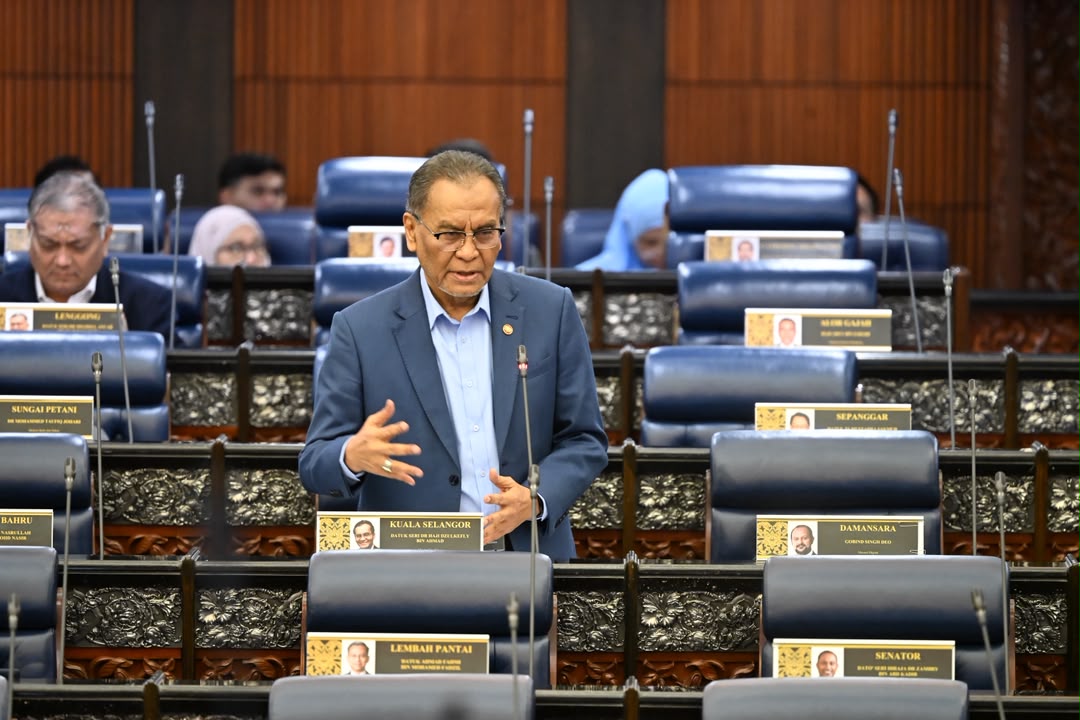
KUALA LUMPUR: The Ministry of Health (KKM) is finalising a strategic collaboration with the Social Security Organisation (Perkeso) to enable more Cerebral Palsy (CP) patients to gain access to high-tech rehabilitation treatments, including neuro-robotics and cybernetics.
Health Minister Datuk Seri Dzulkefly Ahmad said the collaboration is currently being reviewed by the Medical Practice Division, Medical Development Division and the Legal Advisor (PUU) of KKM to detail several aspects before it can be implemented.
“The matters being finalised involve payment mechanisms, the feasibility of implementing the Health Sector Outsourcing Programme (HSOP) at Perkeso facilities, indemnity issues, as well as obtaining further views from the Legal Advisor of the Ministry of Human Resources (Kesuma).
“This effort is important to enable the collaboration between KKM and Perkeso to be realised in order to expand patient access to more advanced rehabilitation services,” he said during the oral question-and-answer session in the Dewan Rakyat today.
He said this when responding to a question from Dr. Kelvin Yii Lee Wuen (PH-Bandar Kuching) regarding initiatives and assistance for children with CP, as well as the government’s plans to increase support for them and their families.
According to him, the Perkeso Rehabilitation Centre is recognised as a Centre of Excellence in the field of neuro-robotic and cybernetic rehabilitation, utilising the latest technology to enhance the effectiveness of treatment and recovery for patients.
Responding to a supplementary question from Datuk Dr Ahmad Yunus Hairi (PN-Kuala Langat), he said KKM welcomes the proposal for greater attention to be given to CP patients at the mild stage (mild cerebral palsy), as they have great potential to live independently.
“This group needs to be given adequate opportunities and support so that they can pursue higher education, enter the workforce and build their own families.
“Efforts to empower CP patients cannot only focus on treatment aspects alone, but must also open up opportunities for them to lead productive lives like other individuals,” he said.
He said based on KKM records, it is estimated that approximately 50 per cent of CP patients have normal cognitive function, thus demonstrating their potential to contribute to society if given appropriate opportunities and support.
According to him, the management of CP patients also requires a whole-of-nation approach involving various ministries and agencies, as KKM is only responsible for screening, early detection, clinical treatment and rehabilitation aspects.
Meanwhile, he said a total of 1,076 CP patients have been registered and received early intervention at health clinics nationwide for the period from 2016 to 2025.
Kosmo Online