

KDN to increase number of new automated gates at KLIA Terminals 1 and 2, and Penang
KUALA LUMPUR: The Ministry of Home Affairs (KDN), through the Immigration Department (JIM), will enhance the number of new automated gates at Kuala Lumpur International Airport (KLIA Terminals 1 and 2) and Penang to alleviate congestion at the country’s entry points.
According to Sinar Harian, Minister of Home Affairs Datuk Seri Saifuddin Nasution Ismail stated that 40 new ‘autogates’ will be added at KLIA Terminals 1 and 2, bringing the total to 80. Additionally, the expansion in Penang is currently being assessed.
He explained that this upgrade is in line with the expansion of autogate facilities and preparation for Malaysia’s ASEAN Chairmanship in 2025 and the Visit Malaysia Year 2026.
“International flight arrivals often receive media coverage when congestion occurs. Therefore, we have discussed with Malaysia Airports Holdings Berhad (MAHB) about increasing the number of autogates, and we need more space.
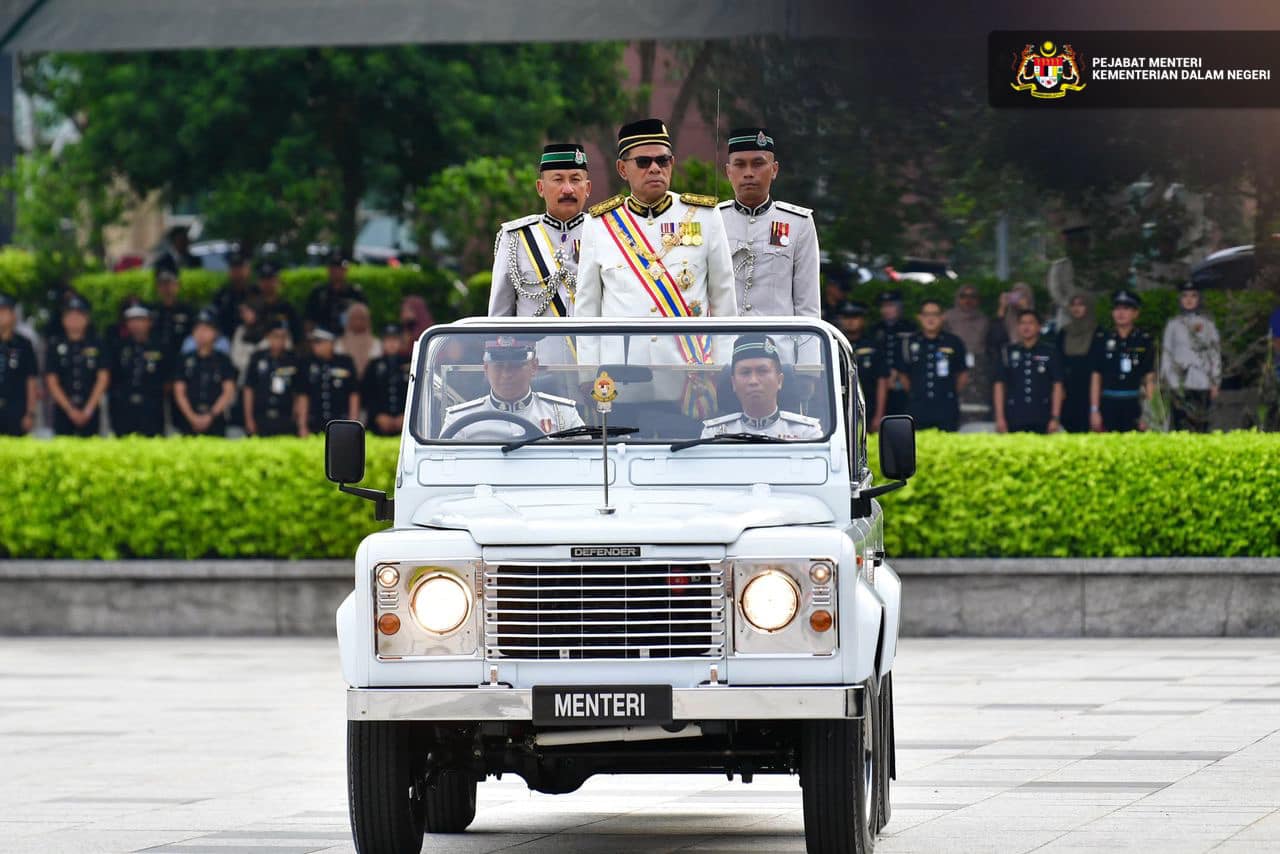
“KDN Secretary-General Datuk Ruji Ubi will handle the procurement… We are also working against the clock because next year we will assume the ASEAN Chairmanship, and we need to manage entry congestion effectively,” he said at a press conference after the Immigration Day Parade 2024 today.
Previously, Saifuddin Nasution announced that visitors from 36 additional low-risk countries will be allowed to use the autogates at all entry points equipped with the facility starting June 1, 2024.
This includes all European Union (EU) countries, Bahrain, Qatar, Oman, Jordan, China, Canada, Hong Kong, and Taiwan.
Meanwhile, he noted that the use of the Quick Response (QR) Code system at the Sultan Iskandar Customs, Immigration, and Quarantine Complex (BSI) and Sultan Abu Bakar Complex (KSAB) in Johor has been well-received by users.
From June 1 to July 18, 197,901 bus passengers at BSI and 311,130 bus and motorcycle passengers at KSAB have utilized the QR system.
“This initiative has successfully reduced waiting times by 70 to 80 percent compared to before.
“This number is expected to continue rising, further helping to reduce congestion at the Malaysia-Singapore entry points,” he added.
Saifuddin Nasution also mentioned that the system’s use will be expanded to include all travelers, including non-citizens and long-term pass holders, as well as car travel in the next phase.