

First In-Person RCEP Leaders’ Summit Marks Pivotal Moment in Global Trade
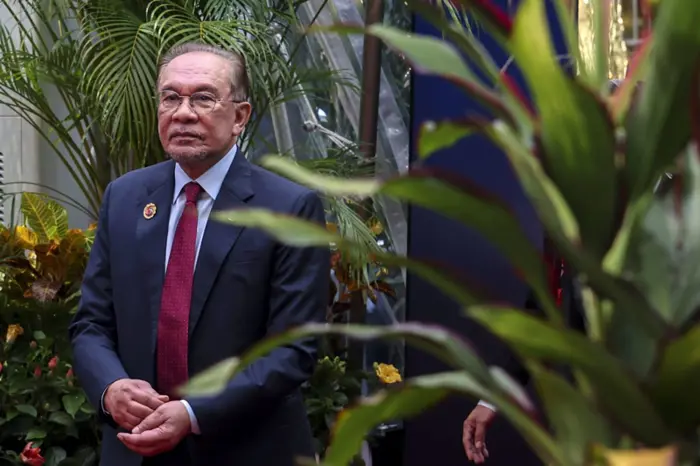
KUALA LUMPUR, Oct 27: The leaders of the Regional Comprehensive Economic Partnership (RCEP) nations convened in Kuala Lumpur on Monday for the first in-person RCEP Leaders’ Summit since the world’s largest trade pact was signed in 2020, marking a significant milestone in Asia-Pacific economic cooperation.
Chairing the meeting as ASEAN Chair, Malaysian Prime Minister Datuk Seri Anwar Ibrahim described the summit as “pivotal” in advancing regional integration and resilience.
“It carries a special significance because it is the first gathering of RCEP leaders since signing the agreement in 2020 at the height of the Covid-19 pandemic,” Anwar said during his opening remarks.
Held on the sidelines of the 47th ASEAN Summit and Related Summits, the RCEP meeting brought together leaders from all 15 member countries, including the 10 ASEAN nations, China, Japan, South Korea, Australia, and New Zealand.
Anwar noted that trade and investment within the RCEP framework have rebounded strongly since the pandemic, reflecting the “resilience and shared prosperity” that define the partnership. He called on leaders to use the summit as an opportunity to strengthen dialogue and lay the foundation for “enduring peace and prosperity” in the Asia-Pacific region.
The prime minister emphasized that the strategic importance of RCEP has become even clearer amid rising global economic uncertainties, highlighting the pact’s role in ensuring open markets, inclusive growth, and sustainable supply chains.
Meanwhile, Brazilian President Luiz Inácio Lula da Silva, who was in Kuala Lumpur as a special guest, praised Malaysia’s leadership and hospitality.
“Everywhere I go, I feel the warmth and friendliness of the Malaysian people. It reminds me of the Brazilian spirit,” Lula said, adding that he was looking forward to attending the gala dinner hosted by the Malaysian government.
Lula also urged Brazilian businesses and government officials to be more proactive in exploring trade and investment opportunities with Malaysia and other emerging Asian economies.
“There is a lack of boldness among our entrepreneurs and ministers. Instead of staying home, they must travel the world to sell what Brazil produces,” he remarked, noting that current trade between Brazil and Southeast Asia stands at around US$12 billion, which he described as modest compared to the region’s vast potential.
The RCEP summit concluded with leaders reaffirming their commitment to deepen economic integration, strengthen supply chain cooperation, and promote sustainable development across the Asia-Pacific region signaling renewed momentum for one of the world’s most dynamic trade blocs.