

Analysts Warn of Regional Fallout if Iran’s Government Collapses
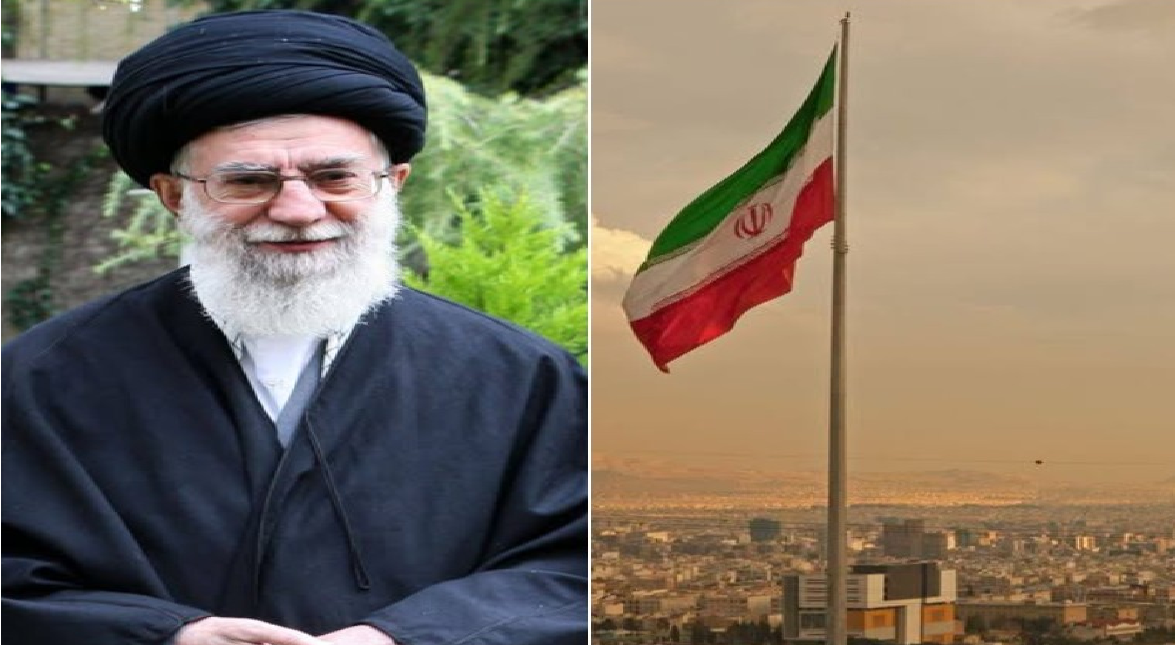
Political analysts and regional observers are warning that the collapse of Iran’s current government could trigger far-reaching consequences across the Middle East and beyond, potentially reshaping regional power balances, energy markets, and global security dynamics.
According to several strategic assessments, a post-government Iran could face immediate external pressure, particularly from the United States and Israel, aimed at eliminating what they view as long-standing security threats. These include Iran’s nuclear infrastructure, ballistic missile capabilities, and the influence of the Islamic Revolutionary Guard Corps (IRGC).
Western and Israeli officials have long accused Iran of pursuing advanced nuclear and missile technologies that could destabilize the region. Analysts say a political vacuum in Tehran could be used as an opportunity to carry out decisive military operations against nuclear sites, missile production facilities, and senior IRGC leadership.
Beyond military concerns, energy security remains a critical factor. Iran holds some of the world’s largest oil and natural gas reserves, and experts warn that any attempt by foreign powers to exert control or influence over Iran’s energy sector would have major implications for global markets. Disruptions could drive energy prices higher and affect countries heavily dependent on Iranian oil and gas.
Observers also caution that Iran could descend into prolonged internal conflict if state authority weakens. Comparisons have been drawn with Syria, Yemen, and Libya, where political collapse led to civil war, foreign intervention, and long-term instability. Such a scenario in Iran, a country of more than 85 million people, would have consequences on a far greater scale.
Iran has played a central role in regional geopolitics, particularly after the weakening of Syria, acting as a key supporter of Palestinian groups and opposing Western and Israeli influence. Unlike many Arab Gulf states, Tehran has refused to normalize relations with Israel or align closely with Western powers, a stance that has made it both influential and controversial.
Despite decades of stringent Western sanctions, Iran has continued to develop domestic capabilities in military technology, nuclear science, medicine, and industrial self-sufficiency. Under Supreme Leader Ayatollah Ali Khamenei, the country has expanded its defense industry, including advances in missile technology and indigenous weapons systems, while maintaining strategic energy reserves.
Experts note that a collapse of Iran’s current system would also negatively impact major regional and global players, including China, Russia, India, and Turkey. These countries have substantial economic, energy, and defense ties with Tehran, and instability could disrupt trade routes, investments, and long-term strategic projects.
Some analysts also warn that if Iran’s leadership perceives an existential threat, it may resort to external military action as a final deterrent, potentially escalating tensions with Israel and increasing the risk of a wider regional conflict.
As uncertainty grows, diplomats and analysts agree on one point: any sudden collapse of Iran’s government would not remain a domestic issue. Instead, it would likely trigger a chain reaction affecting the Middle East, global energy security, and international power relations for years to come.
(Writing by -International Editor: Mohammad ohidul bin Nurul islam )