

As Malaysia’s gig economy reaches three million workers in 2024, requests for improved worker rights grow
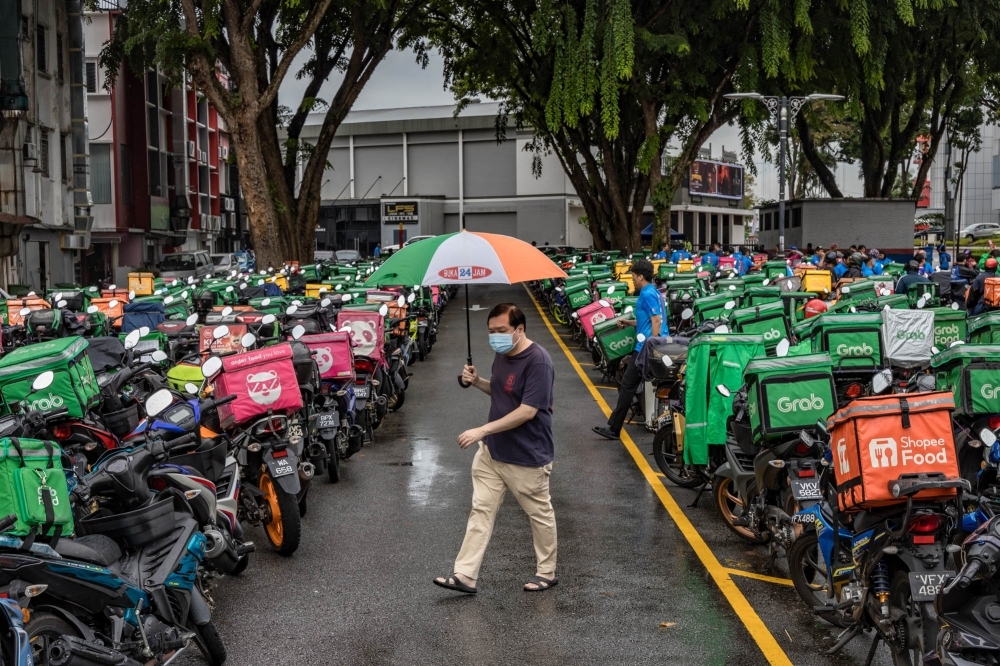
Malaysia’s gig economy has continued to grow in 2024, with the number of own-account workers, including gig workers, topping three million as of September.
This development reflects the growing acceptance of and dependence on gig labour as a legitimate source of income, as well as the flexibility it provides and the burgeoning digital economy.
The continued exclusion of many people from employment rules has also prompted more requests for stronger protection.
The International Labour Organisation (ILO) has also underlined that gig workers are now classified as own-account workers, indicating a broader definition and acknowledgement of gig employment in the labour market.
According to the Labour Force Survey Report for the third quarter (3Q) of 2024, the number of own-account workers climbed to 3.09 million from 2.93 million in the first quarter (2023).
Dr. Nur Syazwani Mazlan, senior lecturer in Monash University Malaysia’s Department of Econometrics and Business Statistics, told Bernama in a recent interview that the gig economy’s emergence is a positive indicator of economic vitality and the possibility for additional growth in coming years.
Despite its optimistic rise, the gig economy confronts a number of problems.
According to Qwork Malaysia, a human resource technology aggregator, many gig workers continue to lack basic labour protections under labour regulations, such as minimum pay, work-hour limitations, and paid leave.
Given market saturation and changing legal constraints, adaptive methods are required to sustain industry development.
In response to these problems, the Malaysian government is considering measures to help gig workers, such as the planned Gig Workers’ Economy Bill and the formation of the Malaysian Gig Economy Commission (SEGiM) inside the Prime Minister’s Department.
Qwork CEO Muna Munirah praised the government’s proactive approach, stating that the formation of SEGiM and impending legislation will help create a more sustainable and inclusive gig economy.
At the same time, Grab Malaysia supported the government’s decision to postpone the Gig Workers’ Economy Bill, citing the need for more thorough talks with stakeholders such as platform firms, gig workers, academics, and industry experts.
“We believe that an inclusive and phased approach will ensure the diverse needs of the gig economy are addressed while minimising potential challenges such as difficulties in policy adoption, inefficiencies in implementation and compliance, higher entry barriers for gig workers, disruptions to businesses, and increased costs for consumers,” according to the statement.
Nur Syazwani proposed that the government expand social security systems like Socso and the Employees Provident Fund (EPF) to encompass more gig workers.
She also suggested additional training programs focusing on digital skills and financial literacy to assist gig workers in enhancing their employability and better managing their funds.
She also advocated creating a clear legislative framework to specify the rights and obligations of gig workers and platforms, as well as facilitating access to financial services such as microloans and personalised insurance.
According to Malaysian eHailing Association (GEM) chief campaigner Jose Rizal, the prognosis for Malaysia’s gig economy remains optimistic because of its resilience and adaptability, as well as technical improvements and the need for flexible services.
However, he emphasised the importance of systemic reforms to balance workers’ rights with sector growth, such as the Gig Workers’ Economy Bill and flexible social protections.
Qwork Malaysia highlighted emerging sectors such as online tutoring and digital marketing, which, along with increased technological integration, are expected to drive the gig economy’s growth even further.
According to Nur Syazwani, as businesses increasingly rely on digital solutions, the demand for freelance roles in areas such as content creation and information technology support is expected to rise.
“Overall, while Malaysia’s gig economy is expected to expand further, addressing issues such as job security, income stability, and market saturation will be critical to its long-term viability.
“With the right policies in place, the gig economy has the potential to significantly contribute to Malaysia’s growth while offering inclusive employment opportunities,” according to her.
Malaysia’s gig economy has continued to grow in 2024, with the number of own-account workers, including gig workers, topping three million as of September.
This development reflects the growing acceptance of and dependence on gig labour as a legitimate source of income, as well as the flexibility it provides and the burgeoning digital economy.
The continued exclusion of many people from employment rules has also prompted more requests for stronger protection.
The International Labour Organisation (ILO) has also underlined that gig workers are now classified as own-account workers, indicating a broader definition and acknowledgement of gig employment in the labour market.
According to the Labour Force Survey Report for the third quarter (3Q) of 2024, the number of own-account workers climbed to 3.09 million from 2.93 million in the first quarter (2023).
Dr. Nur Syazwani Mazlan, senior lecturer in Monash University Malaysia’s Department of Econometrics and Business Statistics, told Bernama in a recent interview that the gig economy’s emergence is a positive indicator of economic vitality and the possibility for additional growth in coming years.
Despite its optimistic rise, the gig economy confronts a number of problems.
According to Qwork Malaysia, a human resource technology aggregator, many gig workers continue to lack basic labour protections under labour regulations, such as minimum pay, work-hour limitations, and paid leave.
Given market saturation and changing legal constraints, adaptive methods are required to sustain industry development.
In response to these problems, the Malaysian government is considering measures to help gig workers, such as the planned Gig Workers’ Economy Bill and the formation of the Malaysian Gig Economy Commission (SEGiM) inside the Prime Minister’s Department.
Qwork CEO Muna Munirah praised the government’s proactive approach, stating that the formation of SEGiM and impending legislation will help create a more sustainable and inclusive gig economy.
At the same time, Grab Malaysia supported the government’s decision to postpone the Gig Workers’ Economy Bill, citing the need for more thorough talks with stakeholders such as platform firms, gig workers, academics, and industry experts.
“We believe that an inclusive and phased approach will ensure the diverse needs of the gig economy are addressed while minimising potential challenges such as difficulties in policy adoption, inefficiencies in implementation and compliance, higher entry barriers for gig workers, disruptions to businesses, and increased costs for consumers,” according to the statement.
Nur Syazwani proposed that the government expand social security systems like Socso and the Employees Provident Fund (EPF) to encompass more gig workers.
She also suggested additional training programs focusing on digital skills and financial literacy to assist gig workers in enhancing their employability and better managing their funds.
She also advocated creating a clear legislative framework to specify the rights and obligations of gig workers and platforms, as well as facilitating access to financial services such as microloans and personalised insurance.
According to Malaysian eHailing Association (GEM) chief campaigner Jose Rizal, the prognosis for Malaysia’s gig economy remains optimistic because of its resilience and adaptability, as well as technical improvements and the need for flexible services.
However, he emphasised the importance of systemic reforms to balance workers’ rights with sector growth, such as the Gig Workers’ Economy Bill and flexible social protections.
Qwork Malaysia highlighted emerging sectors such as online tutoring and digital marketing, which, along with increased technological integration, are expected to drive the gig economy’s growth even further.
According to Nur Syazwani, as businesses increasingly rely on digital solutions, the demand for freelance roles in areas such as content creation and information technology support is expected to rise.
“Overall, while Malaysia’s gig economy is expected to expand further, addressing issues such as job security, income stability, and market saturation will be critical to its long-term viability.
“With the right policies in place, the gig economy has the potential to significantly contribute to Malaysia’s growth while offering inclusive employment opportunities,” according to her.