

An ransom demand was made after a cyberattack breached an Indonesian data centre
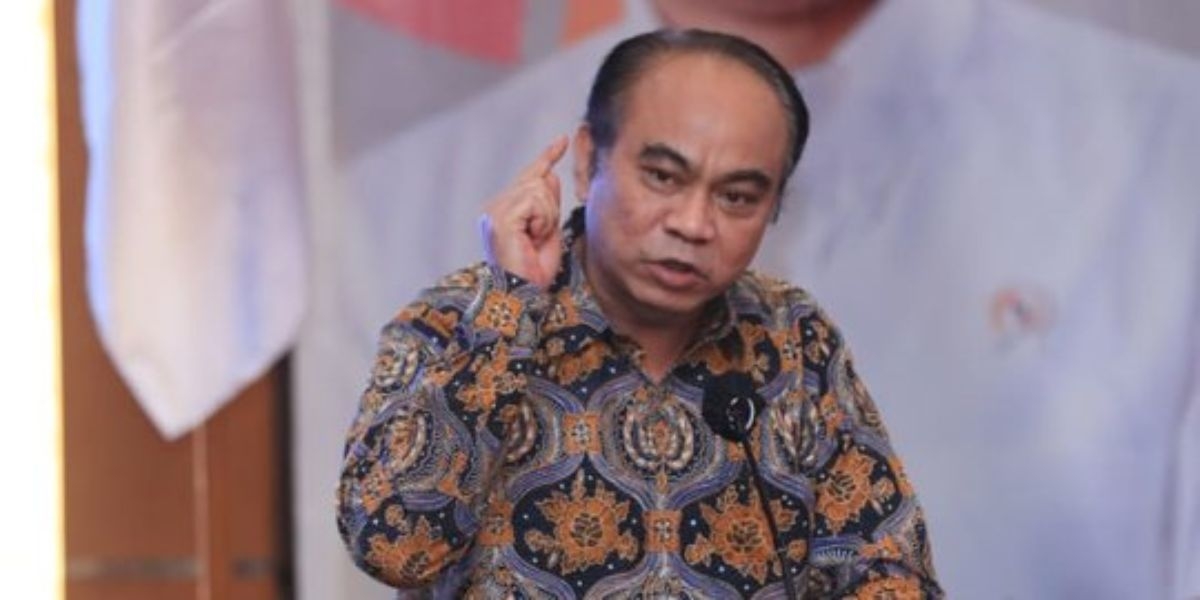
JAKARTA: The communications minister of Indonesia told Reuters on Monday that a cyber attacker had breached the country’s primary data centre, interfering with immigration procedures at airports, and demanded a $8 million ransom.
Long lineups formed at immigration booths at airports last week as a result of the attack, which interrupted various government functions. According to the ministry of communications, automated passport machines were now operational.
Minister Budi Arie Setiadi stated, without providing any information, that the attacker employed Lockbit 3.0, a new version of dangerous software that is already in existence.
Ransomware is a type of malicious software that is frequently used by the Lockbit cybercrime group to extort victims digitally.
“We are now focusing to restore the services of the affected national data centre such as immigration,” Budi stated. He did not state if the ransom was paid.
The way that ransomware encrypts data is how it operates. Payments of hundreds of thousands or even millions of dollars, usually done in cryptocurrency, can be offered to hackers in exchange for a key.
Hackers may then threaten to remove or expose private information in an attempt to exert pressure on the individual or organisation if the target refuses to comply.
Digital forensics are being used in the probe, according to Communications Ministry spokesman Semuel Abrijani Pangerapan, although more information is still pending.
The assault was the most recent in a string of cyberattacks that have targeted Indonesian businesses and government institutions in recent years.
Media outlets revealed in the previous year that online account information for 15 million clients of Bank Syariah Indonesia (BSI), the largest Islamic lender in the nation, was made public. The bank did not acknowledge that any of its data was exposed.
Although ransomware targeted Indonesia’s central bank in 2022, the bank claimed the attack had no impact on its public services. A 2021 vulnerability in the COVID app developed by the health ministry exposed 1.3 million people’s personal information and health conditions.
Teguh Aprianto, a cybersecurity specialist, described the most recent cyberattack as “severe” and said it was the first to interrupt Indonesia’s public services for several days.
“It shows that the government infrastructure, manpower handling this and the vendors are all problematic,” he stated.