

Northeast Monsoon: PETRA Strengthens Preparedness to Address Flood Risks
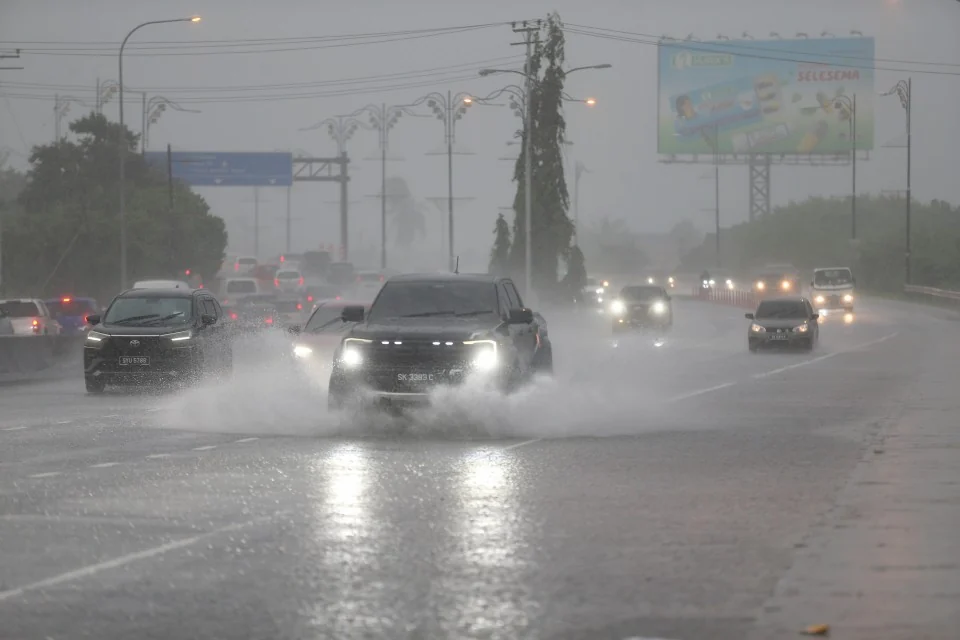
PUTRAJAYA: The Ministry of Energy Transition and Water Transformation (PETRA) is strengthening its preparedness for the 2026/2027 Northeast Monsoon (MTL) through early planning, resource coordination and prioritising operational readiness.
In a statement today, PETRA said preparations for the monsoon, which began on October 27 and is expected to end in March 2027, were being carried out through the Department of Irrigation and Drainage (DID) to ensure effective and comprehensive flood risk management.
The ministry said that during the 2025/2026 Northeast Monsoon, from November 13, 2025, to March 31, 2026, the DID’s National Flood Forecasting and Warning Centre (PRABN) issued 103 information bulletins, comprising 64 Early Flood Forecast Bulletins and 39 Flood Warning Bulletins.
“A total of 14.8 million short message service (SMS) alerts were also sent to residents in flood-prone areas, based on records from the Malaysian Communications and Multimedia Commission (MCMC).
“A total of 799 flood incidents were recorded nationwide, comprising 480 monsoon floods, 274 flash floods, 25 ponding floods and 20 coastal floods,” the statement said.
PETRA said the floods were caused by several factors, including overflowing rivers, internal drainage problems and high tides, as well as local issues such as clogged drains, uncontrolled development, land clearing and improper waste disposal.
In preparation for the 2026/2027 Northeast Monsoon, the DID is conducting round-the-clock operational monitoring throughout the year using flood forecasting models covering 36 river basins, supported by 2,237 hydrological telemetry stations that record rainfall and river water levels through PRABN.
In addition, PETRA said 614 flood warning sirens and 197 monitoring cameras had been installed at strategic locations nationwide to facilitate real-time monitoring.
According to the statement, 3,045 flood hotspots had been identified based on records of at least three flood incidents over the past three years.
Kelantan recorded the highest number with 609 locations, followed by Pahang (572) and Terengganu (460).
In terms of operational asset preparedness, 1,079 water control gates and 285 pumping stations nationwide are in good condition and ready for flood control operations.
A total of 580 mobile emergency pumps of various capacities are also available for deployment to critical locations to reduce flood risks.
Meanwhile, the ministry said monitoring was also being carried out at 16 DID-controlled dams and 781 flood retention ponds, alongside maintenance works in high-risk river basins.
“Cooperation with the MCMC and telecommunications companies is also continuing to disseminate flood warnings via SMS to residents in flood-prone areas.
“Coordination with state authorities is also being undertaken to establish standard operating procedures (SOPs) for dam water releases to enhance flood storage capacity throughout the Northeast Monsoon,” PETRA said.
Meanwhile, the ministry said that to reduce flood risks, 1,638 minor works were being implemented in 2026 at a cost of RM652 million.
In addition, 342 development projects under the First Rolling Plan (RP1) of the 13th Malaysia Plan (13MP) have been approved for implementation this year, with an allocation of RM3.2 billion.
Members of the public are also advised to stay updated with official flood forecasts and warnings issued by the DID through the Public InfoBanjir website and the MyPublicInfoBanjir application, which can be downloaded from the Google Play Store and Apple App Store.
MEDIA SELANGOR