

Malaysia Targets Cyber Force as Fourth Armed Forces Service by 2030
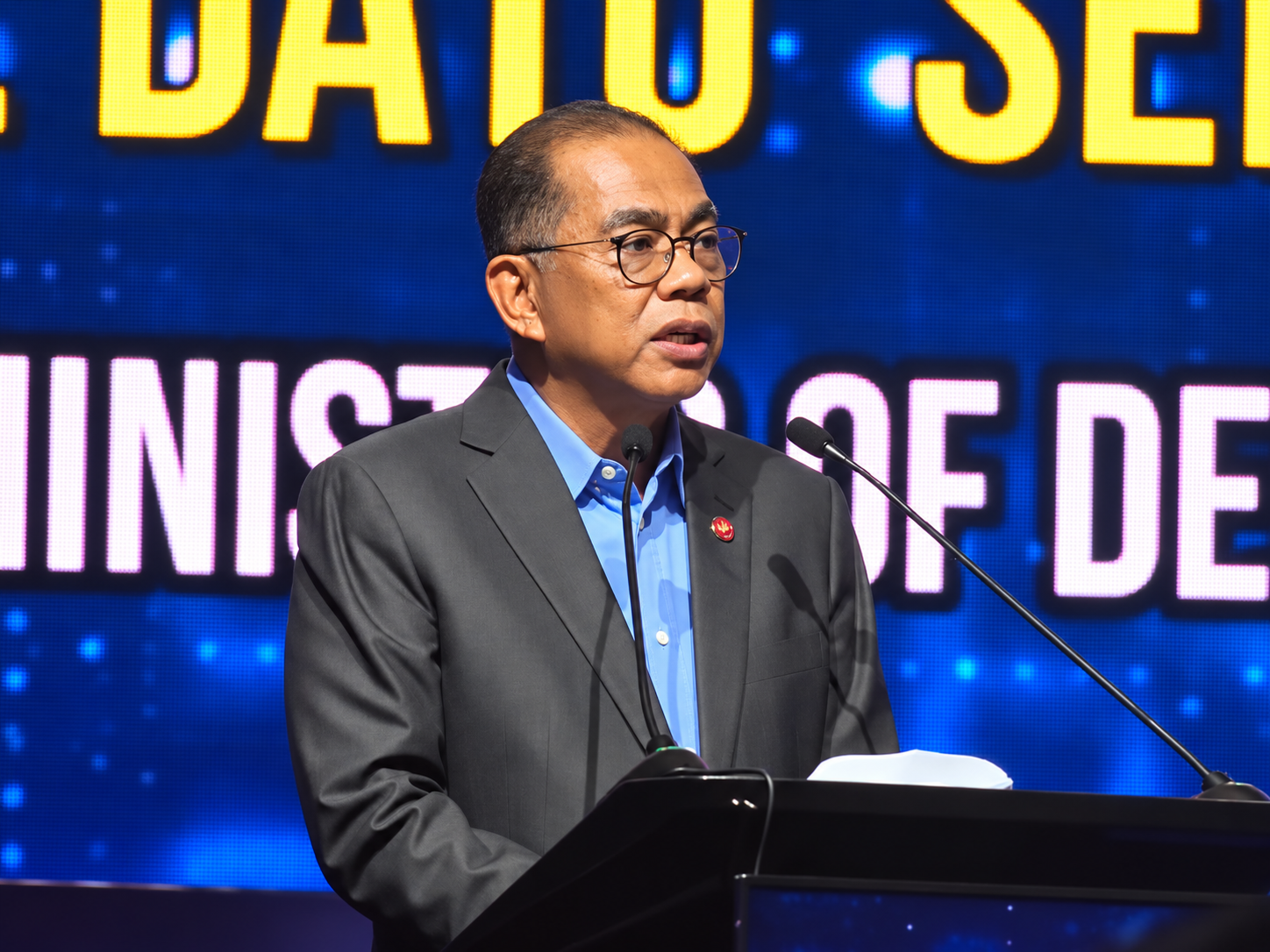
KUALA LUMPUR: Malaysia is taking concrete steps to strengthen its cyber defence capabilities, with plans to establish a Cyber Force as the fourth service of the Malaysian Armed Forces (ATM) by 2030.
The Defence Minister said that as part of efforts towards establishing the force, the Tim Nukleus Angkatan Siber, or Cyber Force Nucleus Team, has been formed to lay the foundation for developing the personnel, capabilities, structures and expertise required to build a credible and effective Cyber Force.
He said this in his opening remarks at the Siber Siaga 2026 programme, themed “Hyper War: Man, Machine, Decision”, at the Malaysia International Trade and Exhibition Centre (MITEC) in Kuala Lumpur today.
According to him, rapid technological advancement has made cyber threats increasingly complex and serious, requiring the country to ensure that decisions remain sound, command remains effective and actions remain accountable.
He said cyber threats could disrupt critical systems and services on which society fundamentally depends, including airports, seaports, power grids, transportation networks, banking systems, healthcare facilities and internet connectivity.
Disrupted communications could create uncertainty and panic, while interruptions to transportation could affect the movement of people and goods. Disruptions to energy supplies could also paralyse almost every sector of the economy.
Cyberattacks could also be used for espionage and to steal sensitive information, including personal data, national secrets, information on national security, military capabilities and strategic interests.
The Defence Minister also highlighted the growing threat of cognitive warfare amplified by cyber, digital and artificial intelligence (AI) technologies.
According to him, such threats are no longer aimed merely at spreading fake news but at undermining society’s ability to distinguish between what is true and false through fabricated content, false authorities, fake news platforms and manipulated social media engagement.
Digital technologies and AI also allow adversaries to tailor information and deception to specific groups and even individuals, particularly those who are more susceptible to manipulation.
Therefore, he said the country must protect not only the systems supporting its decision-making processes but also the integrity of the information upon which those decisions are based.
In preparing for the era of “Hyper War”, he outlined four key considerations — keeping human responsibility clear, building trust through testing and assurance, investing in people, and strengthening cooperation.
He said that no matter how advanced technological systems become, accountability must remain clear throughout the chain of command, while responsibility for explaining and justifying a decision must remain with the people who make it.
Defence technology should also not be assessed solely on technical performance but must be tested under real operational conditions, including whether personnel can recognise system failures, restore essential functions and continue missions when technology is disrupted or degraded.
At the same time, investment in personnel must be prioritised to develop a workforce that combines technical competence, operational understanding and strong ethical conviction.
Cooperation must also extend across government, industry and academia, as cyber threats know no borders or jurisdictions. Defence institutions provide operational experience, industry contributes innovation and technical expertise, while universities develop talent and deepen understanding.
He also cautioned that the increasing pace of operations brings risks of misunderstanding and unintended escalation, as machines can make mistakes which, in a security context, could cost human lives and undermine human dignity.
As such, clear communication and responsible conduct become even more important when events develop rapidly. For Malaysia, safeguarding sovereignty and contributing to regional stability require preparedness alongside constructive engagement.
The Defence Minister said Siber Siaga 2026 provides an important platform for discussions on these developments, while encouraging participants to assess not only the capabilities of the technologies on display but also their limitations, support requirements and demonstrated performance.
The programme also involves the Malaysian Armed Forces (ATM), the Defence Cyber and Electromagnetic Command (PSEP), CyberDSA organisers, participating agencies and supporting partners.
He later officially opened Siber Siaga 2026, stressing that technological progress must strengthen the country’s ability to protect the nation and safeguard its sovereignty.
Vom24.com