

DBKL Implements Rotation Of Field Officers, Sensitive Positions, Uses Body Cameras
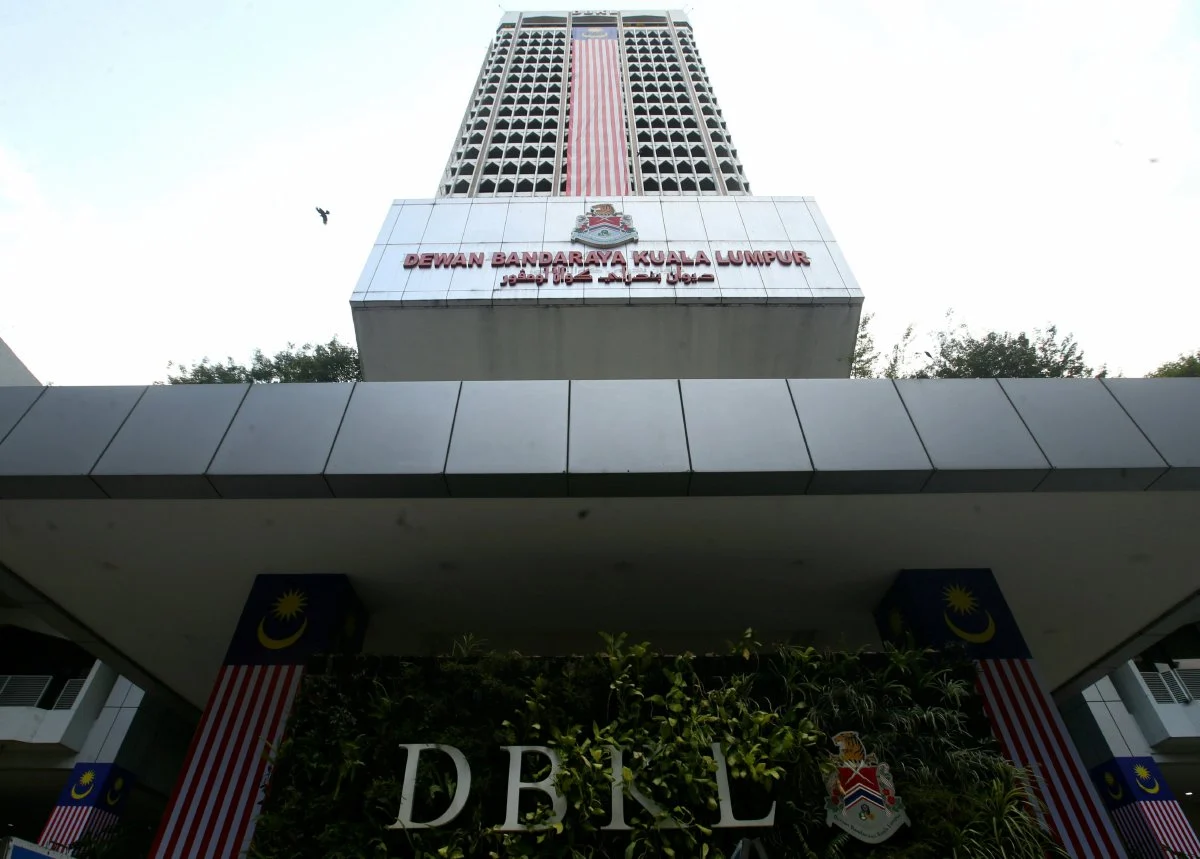
KUALA LUMPUR: The Kuala Lumpur City Hall (DBKL) has implemented a rotation system for field officers and holders of sensitive positions within the agency to reduce the risk of affinity threats in efforts to strengthen integrity and transparency.
Minister in the Prime Minister’s Department (Federal Territories), Hannah Yeoh, said the use of body cameras is also being implemented and is expected to involve all levels in phases starting from the fourth quarter of this year.
She said, through the DBKL Governance and Administrative Reform, the work culture from an individual-based decision-making model that previously focused heavily on the Mayor’s authority has now shifted to a model based on the principles of good governance, collectiveness and integrity.
“This cultural change is implemented through key mechanisms, namely the empowerment of committees that we have brought in Members of Parliament, the separation of powers and checks and balances.
“For example, previously, the Audit Committee was chaired by the Mayor himself and audited his own expenditures. Now, it is no longer chaired by the Mayor.
“We also have standard procedures and standard operating procedures (SOPs), performance monitoring and audits, as well as the use of digital technology,” she said during the question-and-answer session in the Dewan Rakyat today.
She was responding to a supplementary question from Tan Kok Wai (PH-Cheras) on how the DBKL Governance and Administrative Reform will change the decision-making culture at DBKL to make it more transparent, collective and accountable to the people.
In response to Kok Wai’s original question regarding the list of DBKL Governance and Administrative Reforms resulting from the Feasibility Study of the Federal Capital Act 1960 (Act 190), Hannah informed that a total of 16 initiatives have been implemented within six months.
These include advice from the Malaysian Anti-Corruption Commission (MACC) following the discovery of procedural and administrative loopholes that provided room for misconduct within DBKL.
In addition, the abolition of the Special One Stop Centre (OSC) Committee to ensure the separation of powers and prevent political interference in development processes and decisions, as well as the provision of the OSC 3.0 Plus portal, which opens access to development application information to Members of Parliament, stakeholders and the public.
“In addition, previously there was no limit set for the approval of contributions by the Mayor, but now, the approval of such contributions is limited to a maximum of RM3,000, while contribution applications exceeding RM3,000 will be brought to the Top Management Committee Meeting for discussion and approval,” she said.
Berita Harian