

Jamrah Ritual Teaches Pilgrims Patience, Humility and Putting Others First, Says Mufti
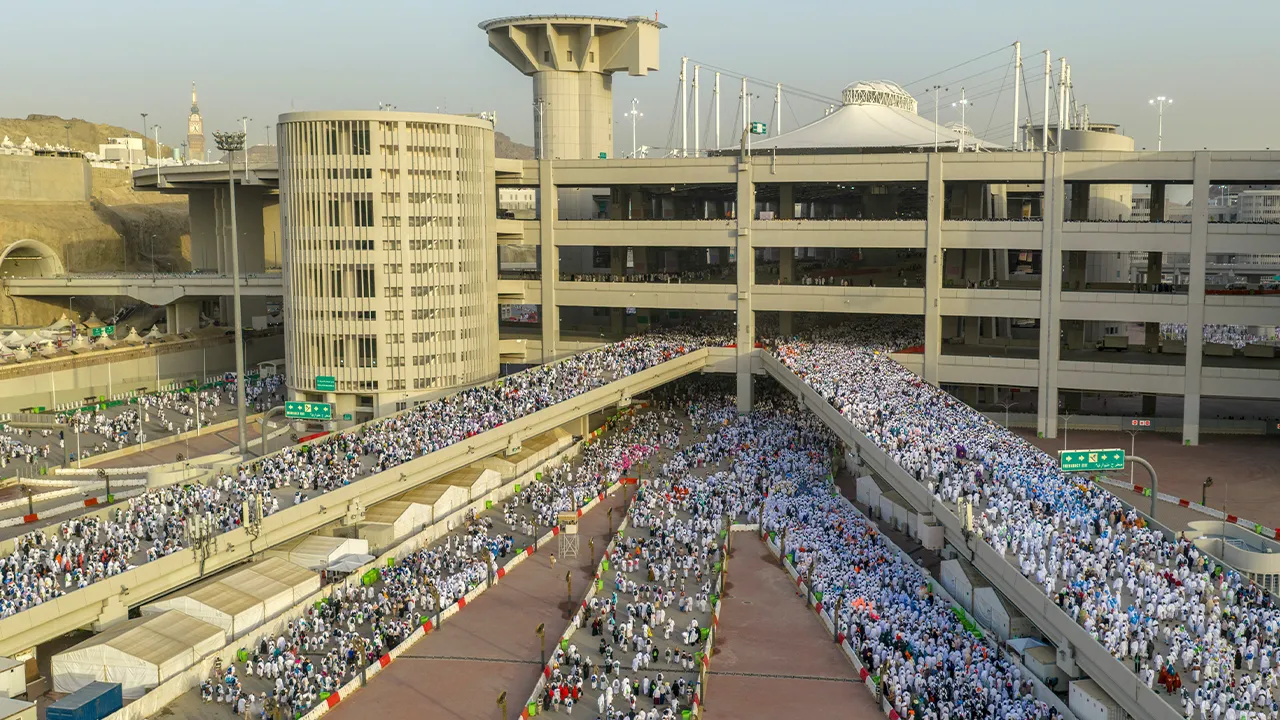
MECCA: The ritual of stoning the jamrah during the Hajj pilgrimage is not merely a compulsory religious obligation but also serves as a powerful lesson in humility, patience and prioritising the needs of others, according to Ahmad Fauwaz Fadzil.
The Federal Territories Mufti said one of the greatest wisdoms behind the ritual is its role in shaping values such as tolerance, self-control and respect for the rights of others while millions of pilgrims gather in a confined space.
He explained that the act of throwing pebbles at the jamrah is rooted in obedience to Allah SWT rather than the physical presence of Satan, symbolising total submission and devotion to God.
“When pilgrims are at the jamrah area, they cannot push, compete aggressively or think only about themselves. They must give way to others and perform the ritual calmly and peacefully,” he told reporters in Mecca recently.
“It is in that situation that one’s ego is truly tested. Even in crowded conditions, pilgrims learn that collective wellbeing must come before personal desires,” he added.
Ahmad Fauwaz said the smooth movement of millions of Muslims carrying out the ritual every year demonstrates how cooperation and tolerance can prevail even under highly challenging circumstances.
According to him, the spirit of helping one another and showing consideration during the haj rituals reflects the strength of the Muslim ummah built upon compassion, unity and mutual respect.
“If Muslims can cooperate even in something as seemingly simple as throwing small stones, then surely they are capable of working together for greater causes that benefit the entire ummah,” he said.
He stressed that the values of humility, patience and putting others first should not end after pilgrims leave the Holy Land but instead be carried home and practised in everyday life after the Hajj season concludes. BERNAMA