

Son of Iran’s former shah seeks help from Western nations
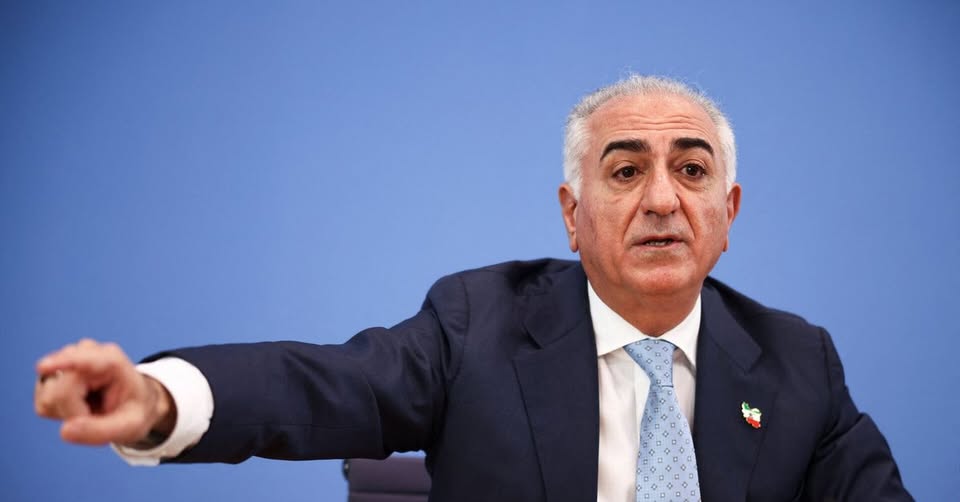
The son of the former Shah criticized the German government’s choice not to meet with him and urged Western nations to join the war against Iran (Reuters, April 23).
The question is not whether change will come, but rather how Europe is enabling the Tehran government to continue the brutal suppression of protests that killed thousands at the end of last year, according to Reza Pahlavi, whose father was deposed in the revolution that brought Ayatollah Ruhollah Khomeini to power in 1979. During a press appearance in Berlin, he announced that change is imminent.
“The real question is how many Iranians will lose their lives while the community of Western democracies continues to merely watch.”
In the heart of Berlin, demonstrators on all sides of the issue flocked to the streets, and when Pahlavi made an appearance, a person was taken into custody after being splattered with a red liquid.
POSSIBLE HEAD OF THE OPPOSITION CAMP
After anti-government protests broke out in Tehran and other Iranian towns last year, Pahlavi, who has spent the majority of his life in exile, emerged as a possible opposition leader.
Almost fifty years after the overthrow of his father’s reign, the support he enjoys is still uncertain, and as a result, many Western governments have been hesitant to embrace him due to the profound divisions within Iran’s opposition forces.
The United States and Israel initiated the war on February 28 with a series of bombings that killed Ayatollah Ali Khamenei, Iran’s supreme leader, and other European countries, notably Germany, have refused to join them.
Pahlavi’s visit to Germany coincided with a period of stagnation in crisis resolution, as both Iran and the US persist in blockading the strategic Strait of Hormuz, which transports approximately 20% of the world’s oil.
During his visit to Germany, he expressed disappointment that Chancellor Friedrich Merz’s government had not arranged a meeting.