

Menicon Strengthens Malaysia’s Medical Device Sector with RM1 Billion Smart Factory in Kedah
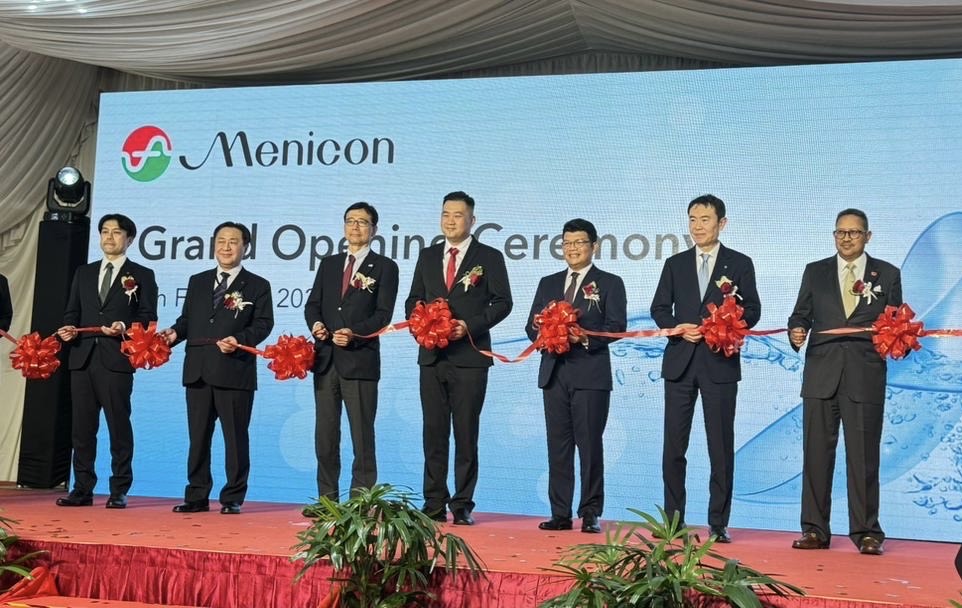
KULIM, Feb 5: Japan-based Menicon Co., Ltd. has reinforced Malaysia’s position as a regional hub for high-value medical device manufacturing with the official launch of its new smart factory at the Kulim Hi-Tech Park in Kedah.
The facility, operated by its wholly owned subsidiary Menicon Malaysia Sdn. Bhd., represents a total approved investment of RM1 billion and is the company’s most advanced manufacturing site globally. Built on a fully integrated smart factory model, the plant combines automated production lines, logistics, warehousing, and quality control within a digitally connected ecosystem to enable stable, high-volume output of silicone hydrogel contact lenses.
Malaysian Investment Development Authority (MIDA) chief executive officer Datuk Sikh Shamsul Sikh Abdul Majid said the expansion reflects strong investor confidence in Malaysia’s industrial capabilities, infrastructure, and skilled workforce.
“Menicon’s investment highlights Malaysia’s growing strength in advanced, high-value-added manufacturing. It supports technology transfer; develops high-skilled local talent, including engineers and TVET graduates; and aligns with the country’s innovation-driven goals under the New Industrial Master Plan 2030,” he said.
Menicon President and Chief Executive Officer Koji Kawaura said the new plant will significantly enhance the group’s global supply capacity, particularly to meet rising demand for daily disposable contact lenses.
“This facility will accelerate Menicon’s global growth while supporting our mission to protect eye health worldwide,” he said.
The Kedah plant supports large-scale, high-efficiency production of daily disposable lenses and related components using Menicon’s proprietary technologies. Its output is largely export-oriented, supplying major markets including Japan, Germany, and the United States, while contributing to Malaysia’s export earnings and strengthening its role in the global ophthalmic value chain.
Menicon Malaysia currently employs 150 workers, around 93 percent of whom are Malaysians, and places strong emphasis on structured talent development through internships, technical training, and hands-on exposure to smart manufacturing and advanced automation systems. These efforts support Malaysia’s broader human capital and TVET development agenda in the high-precision medical device sector.
In addition to boosting exports, the localization of contact lens and component manufacturing supports Malaysia’s import substitution strategy by reducing reliance on overseas supply chains and enhancing resilience for critical medical consumables.