

Preventing crimes against journalists from going unpunished
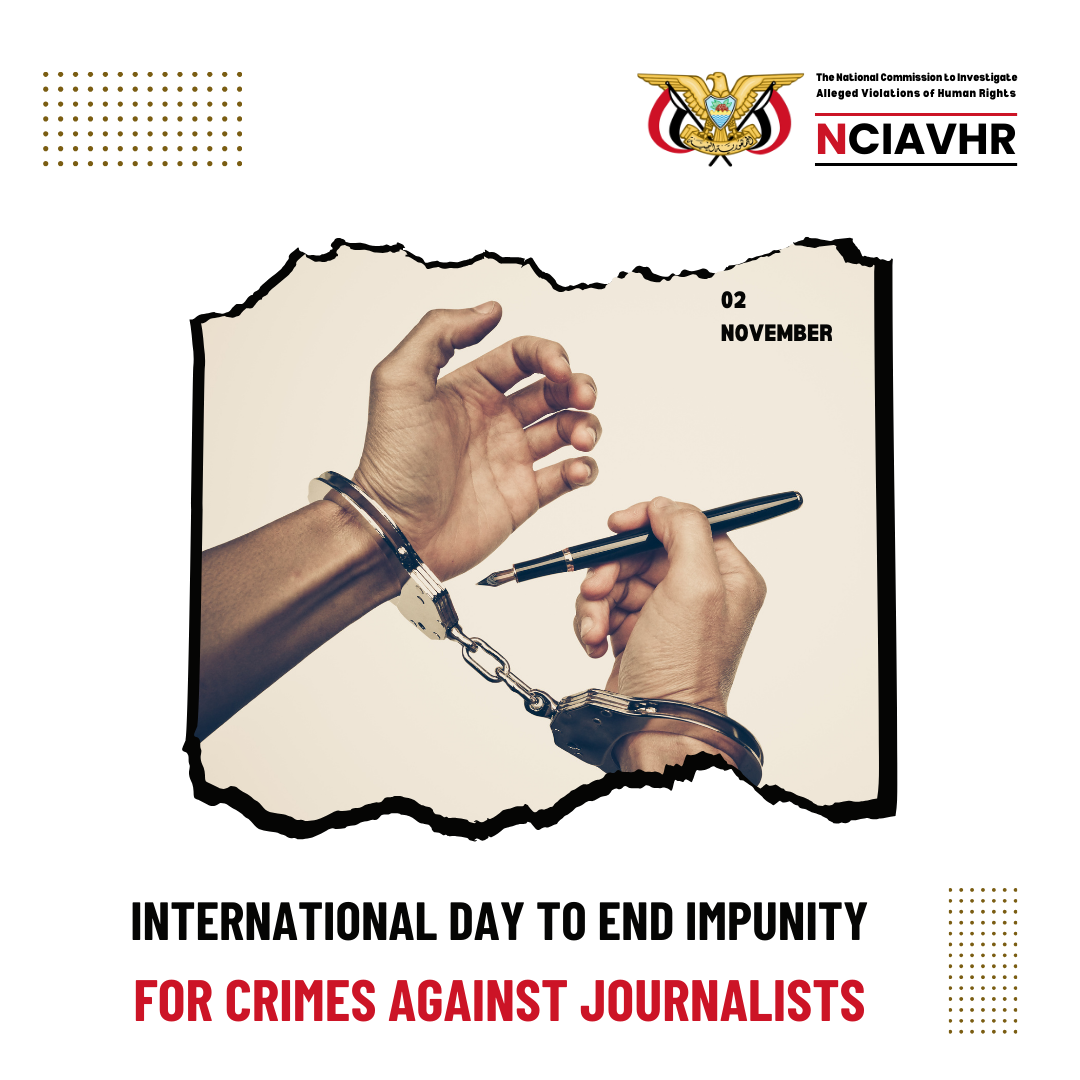
It was ironic, sort of. At the time, the greatest number of journalists in Bangladesh’s history had been charged with “murder,” and four of them were currently incarcerated. At Addis Ababa, Ethiopia, for the UNESCO conference honoring the 2024 International Day to End Impunity for Crimes Against Journalists (IDEA). The credibility of the temporary government may now be called into doubt since these accusations are so baseless and ridiculous. Fortunately, this subject was not discussed during the meeting.
The UNESCO conference revealed that violent crimes against journalists were on the rise, particularly in conflict areas where the opposing fighting forces, who were granted total impunity by their respective governments, not only conducted violent attacks on journalists but also targeted them in numerous locations. In recent history, the Israeli army’s murder of journalists in Gaza is by far the worst incident. Numerous media outlets, including NBC News and The Guardian, report that as of November 5, between 134 and 147 journalists and media professionals—including 120 academics and more than 224 humanitarian and aid workers—had been killed. Shameful, to say the least, is the Western media’s and media protection organizations’ largely silent or very subdued response to these assaults against journalists.
At the summit, UNESCO and the African Union jointly delivered a report that said, “Too many (journalists) pay unacceptably high prices, including death, enforced disappearances, torture, unlawful detention, and kidnapping for producing independent, reliable, and verifiable information.” A five-year trend of improvement has been reversed in war zones, where the number of journalists slain has increased in 2022–2023. During the 2023–2024 era, 14 journalists were slain, largely in conflict-ridden nations in Africa (Gaza occurrences are not listed here). 32 journalists have been arrested and 14 have vanished in the same region in 2024, according to Reporters Without Borders (RSF). In 12 sub-Saharan African countries, at least 47 journalists have been detained on charges of defamation, censorship violation, anti-state news reporting, religious insults, etc.
A new reality is emerging for journalists covering environmental issues. Just as climate-related disasters are becoming more frequent, journalists reporting on them are facing serious threats and challenges to their work. In May 2024, for World Press Freedom Day, UNESCO released a report revealing that 70 percent of journalists covering environmental issues have been attacked in connection with their work.
In Bangladesh, the situation for journalists is equally depressing. The Committee to Protect Journalists (CPJ) reports that 26 journalists were slain between 1992 and 2024. Justice has not been served in any of these cases. According to this daily’s Zyma Islam, “cases filed over the murders of at least 13 journalists in the last two and a half decades have apparently been lost in the annals of time.” They all tell the same tale: investigators traversing a maze-like legal system, never-ending inquiries, and unidentified offenders—all of which lead to total impunity.
Scandalous murder allegations have become a new source of concern for journalists since the August change in government. “Cases have been filed against 129 journalists in Dhaka, Chattogram, Bogura, and Rajshahi” (among other counts of murder and attempted murder) was what I stated in my column that was published a month ago. Even though there is no longer a mass filing of complaints against journalists, those who have previously been the target of such proceedings continue to suffer. Despite not being in jail, their livelihoods have been negatively affected, and others have seen their careers completely destroyed. For journalists, life is especially challenging in upazila and district towns. They constantly fear being arrested by the authorities or being physically attacked by their rivals in the workplace and in politics.
Not long ago, our legal advisor, Asif Nazrul, made the remark that “the wholesale filing of cases is embarrassing the government.” He claimed that instead of the government, as was typical under the previous regime, the people who file these claims are ordinary citizens, especially the political opponents and victims of the former regime. However, his remark lacked any indication that such mass case filings, even if they are not being handled by the government, would be halted or at the very least scrutinized before being submitted. We expected—and continue to hope—that he would take action against these false murder charges against journalists, given his intimate ties to the journalistic industry, particularly as a columnist.
The CEO of the Committee to Protect Journalists (CPJ), Jodie Ginsberg, recently emailed Chief Adviser Prof. Muhammad Yunus to raise some important issues that should be mentioned in this column. The first is the call for “an immediate moratorium on repressive laws that undermine Bangladesh’s constitutional obligation to protect freedom of expression and press freedom—including criminal defamation under the Penal Code and the colonial-era Official Secrets Act of 1923—pending their repeal or amendment in line with international human rights standards.”
This would be an important step to take at the start of Bangladesh’s new journey, reflecting a strong commitment to freedom of expression and the media. Our history has shown that whenever we have the chance to begin anew, we often dwell too much on the past and too little on the future. This time it appears different, as Prof. Yunus’s government has established six new reform commissions, including one on media, to suggest forward-looking changes. We expect the media reform commission will create a legal framework to clarify the freedoms and autonomy of media institutions, making media freedom a lasting element of Bangladesh’s future.
We also endorse CPJ’s suggestions for the “withdrawal or dismissal of hundreds of criminal cases lodged against journalists in retaliation for their work.” Many cases filed by the previous government were purely political, aimed at punishing specific media outlets or journalists. These should be dismissed immediately. With the repeal of the Cyber Security Act, the withdrawal of such cases should be straightforward.
Regarding the murder cases brought under the current administration, an attempt should be made to examine and reject those that lack supporting evidence. The current government’s dedication to a free press would be greatly strengthened by such measures.
We still hope that the media in Bangladesh will experience a new dawn and that the entire universe of freedom of expression will ultimately blossom here, despite the confusing signals—the most recent example being the recent, unexplained removal of accreditation for 167 journalists.
-Mahfuz Anam