

ASEAN Must Assert Its Voice and Leadership, Says Mohamad Hasan
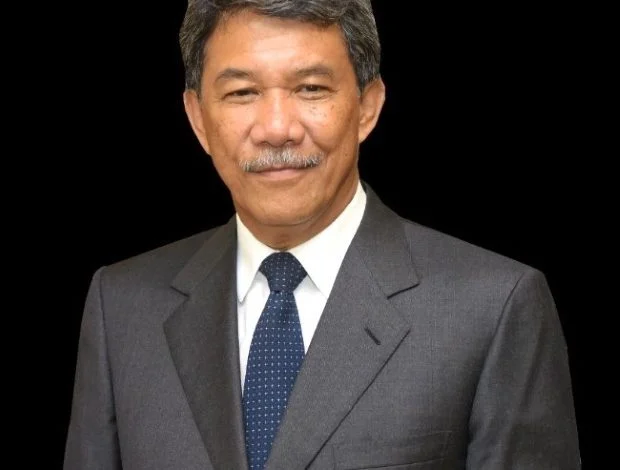
ASEAN member states must take on a more assertive role and ensure a seamless transition towards the ASEAN Community Vision 2045 in facing future geopolitical and socio-economic challenges, said Foreign Minister Datuk Seri Mohamad Hasan.
Delivering his opening remarks at the 58th ASEAN Foreign Ministers’ Meeting (AMM) Plenary Session here today, Mohamad stressed that the long-term strategic roadmap, ASEAN 2045, serves as a key reference point for the bloc’s direction over the next two decades.
“The future of ASEAN lies in our collective hands. It must not be dictated by external powers but steered by our shared determination and vision. We must ensure a smooth and coordinated progression from ‘ASEAN 2025: Forging Ahead Together’ to ‘ASEAN 2045: A Shared Future,’” he said.
He urged all ASEAN institutions, sectoral bodies and mechanisms to align their priorities in support of the implementation of ASEAN leaders’ decisions and the overarching goals of the ASEAN 2045 Vision.
Concern Over Myanmar Crisis
Touching on the prolonged crisis in Myanmar, Mohamad expressed concern that there had been little tangible progress on the ground. He cautioned that the continued delay in restoring peace not only prolonged the suffering of the Myanmar people but also posed a significant threat to regional stability.
“We call for all ceasefire declarations to be translated into concrete and verifiable actions,” he stated.
He reiterated ASEAN’s call for all stakeholders, particularly the State Administration Council (SAC)—the de facto governing authority in Myanmar—to demonstrate a genuine commitment to achieving peace and creating a conducive environment for the conduct of elections aligned with the aspirations of the people.
He affirmed that ASEAN would continue to support a peaceful resolution that is both led and owned by Myanmar.
ASEAN’s Role in a Challenging Global Landscape
Mohamad further emphasized the need for ASEAN to remain resilient and united in navigating an increasingly volatile global environment. He called on member states to uphold ASEAN’s role as a stabilising force and a platform for regional cooperation and development.
“ASEAN must continue to be a beacon of hope, a voice of reason, and a cornerstone of regional stability and prosperity.”
He stressed the importance of reaffirming ASEAN’s commitment to the principles of regionalism and multilateralism, as well as the values of justice, equity, human dignity, and human rights.
“Most importantly, ASEAN must not merely be a listener—we must be a voice. We must lead with confidence, clarity, and determination to do what is right for the people, the region, and the world,” he concluded.