

Northeast Monsoon Water Overflow Must Be Harnessed to Tackle Drought, Ensure Food Security – Experts
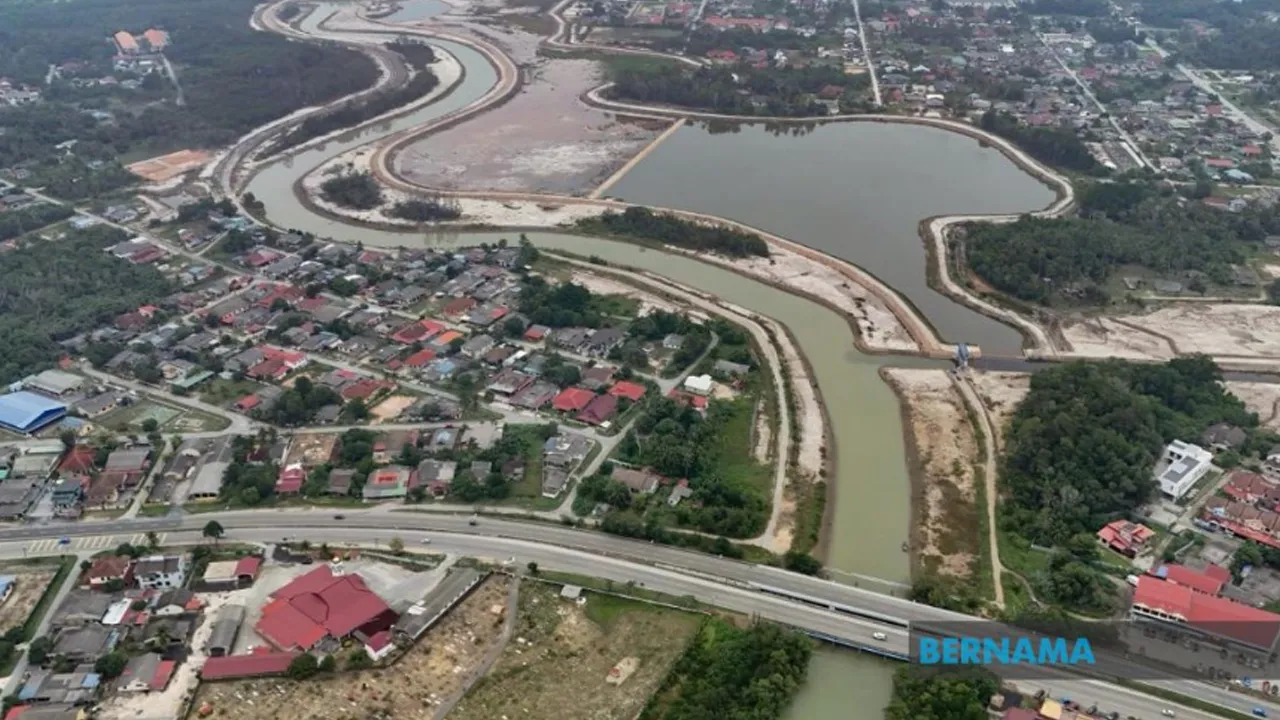
KUALA LUMPUR: Excess rainwater that poses a flood risk during the monsoon season could serve as a vital resource in addressing the threat of dry weather, while ensuring the continuity of domestic water supplies and the nation’s food security.
The main challenge now is determining how much of the excess water generated during the Northeast Monsoon (MTL) can be effectively collected, stored and reused during hot weather to reduce pressure on water supply systems and the agricultural sector.
On November 1, Bernama reported that Malaysia could face two contrasting weather challenges within several months, beginning with the threat of flooding caused by the Northeast Monsoon, followed by a possible drought due to the Super El Niño phenomenon in 2027, which could affect water supplies and the agri-food sector.
Water resources expert from Universiti Malaysia Perlis (UniMAP), Associate Professor Gs Dr Zulkarnain Hassan, said Malaysia must prioritise efforts to maximise rainwater storage, particularly in areas receiving heavy rainfall, such as the east coast of Peninsular Malaysia, Sabah and Sarawak.
He said that although dams and retention ponds typically reach maximum capacity during the monsoon season, the potential to store excess water must be translated into more concrete measures before the country enters the dry season.
Zulkarnain, who is also a hydrology expert, said one approach that could be expanded is the use of ponds, lakes and former mining pools as alternative water catchment areas through the Off-River Storage (ORS) method, similar to the implementation of the Raw Water Guarantee Scheme (SJAM) in Selangor.
He said the initiative could provide backup water reserves lasting up to two to three months during droughts or when water treatment plants are forced to suspend operations due to pollution, making it worth exploring in other states according to their geographical suitability.
On dam management, Zulkarnain said the main challenge was optimising the operation of multipurpose dams, particularly in balancing the need to release water to reduce flood risks without compromising reserves for the dry season.
He cited Bukit Merah Dam in Perak as an example, noting that it not only supplies water for irrigation and domestic use but also serves as flood control infrastructure and a recreational area.
“This challenge becomes more pronounced because dam water release operations in Malaysia are still largely managed manually and depend on operators’ experience. This creates the risk of excessive water releases solely for safety and flood mitigation purposes,” he told Bernama.
In this regard, he proposed expanding the use of Decision Support Systems (DSS) powered by intelligent weather forecasting technology to help operators determine appropriate water release volumes based on reservoir levels and current requirements.
Zulkarnain also emphasised the need to reduce Non-Revenue Water (NRW) through the replacement of ageing pipes, rapid leak detection and more efficient management of water distribution pressure.
He further encouraged the public to adopt rainwater harvesting practices for non-drinking purposes, such as watering plants and washing vehicles.
He also recommended incorporating the “sponge city” concept into urban planning to absorb excess rainwater, reduce flash floods and replenish groundwater reserves.
Meanwhile, agricultural technology expert from Universiti Putra Malaysia (UPM), Dr Wan Fazilah Fazlil Ilahi, said excess water from the Northeast Monsoon should be regarded as a valuable asset to ensure agricultural activities can continue sustainably during the dry season.
She said farm water management practices must shift from merely draining excess water during heavy rainfall to collecting, storing and recycling it for irrigation.
Wan Fazilah said runoff from farmland, the roofs of agricultural structures and drainage systems could be channelled directly into farm retention ponds or rainwater harvesting tanks, particularly in rural agricultural areas without large-scale irrigation systems.
“Vegetable farms can combine rainwater harvesting tanks with drip irrigation systems, while fruit farms can use retention ponds as a water source during the dry season,” she said.
Wan Fazilah said these measures were important because crops such as chillies, tomatoes, cucumbers and leafy vegetables were at risk of root damage and disease when water remained stagnant for too long, while paddy, maize, fruit crops and certain commodity crops could be affected by prolonged water shortages.
She said such conditions could affect crop yields and quality, increase production costs and put pressure on farmers’ incomes, particularly smallholders with limited financial resources.
According to Wan Fazilah, drip irrigation systems could reduce water consumption by between 20 and 40 per cent, while the Alternate Wetting and Drying (AWD) irrigation method for paddy cultivation could save approximately 15 to 30 per cent of water usage.
“These technologies do not require high costs, as smallholders can implement them in stages using basic tanks and pipes, alongside efficient irrigation practices.
“We should not wait until drought strikes before taking action. The Northeast Monsoon period presents the best opportunity to strengthen water infrastructure and storage systems in preparation for potential water shortages in the future,” she said.
BERNAMA