

El-Sayed’s Victory Opens New Opportunities for Politics in a Multipolar World – IAIS
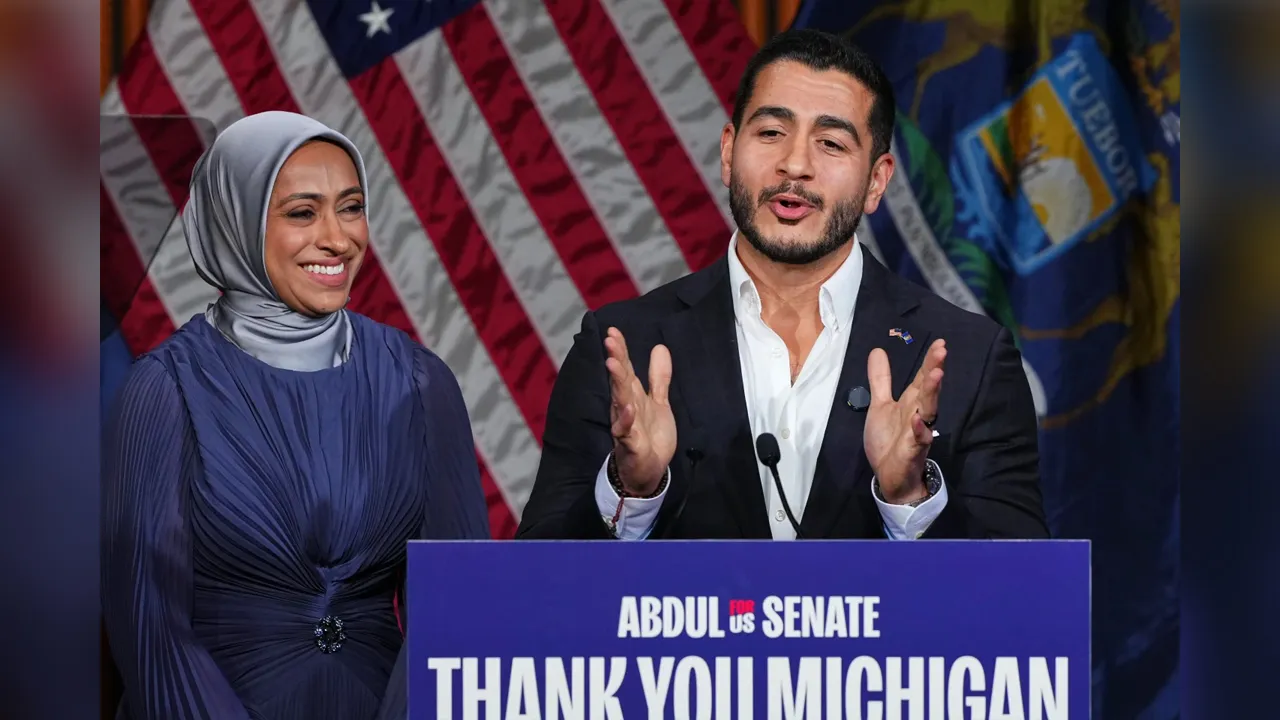
KUALA LUMPUR: Abdul El-Sayed’s victory in the United States (US) Senate election in Michigan is not merely a triumph for a Muslim candidate but also reflects a changing political landscape that creates opportunities for more inclusive leadership in a multipolar world, said International Institute of Advanced Islamic Studies (IAIS) Malaysia Chairman Dr Maszlee Malik.
He said El-Sayed’s success in defeating Republican candidate Mike Rogers, based on projected results reported on November 4, demonstrated that candidates from minority communities could build trust in a multicultural society despite facing religion-based political sentiments.
“If we celebrate it merely as a ‘victory for Muslims’, we may miss a much bigger political lesson,” he said in an analysis titled “El-Sayed and the Politics of the Future Multipolar World”.
Maszlee said El-Sayed campaigned on universal healthcare, campaign finance reform and criticism of US policy towards Israel, combining issues affecting people’s daily lives with questions of international morality.
“The question is not whether identity still matters. Identity has always been important in shaping human experiences. The question here is how identity is used: whether to build shared responsibility within a society or to portray one’s own neighbours as threats through various sentiments and perceptions,” he said.
He said the victory also provided an opportunity to understand political changes among younger generations, particularly as economic anxieties become increasingly linked to demands for dignity and justice.
However, he cautioned that it was still too early to describe the outcome as a Gen Z political wave without a clear analysis of voting patterns across different age groups.
In the context of a multipolar world, Maszlee said changes in the international order were not determined solely by competition between Washington, Beijing and other major powers, but were also influenced by domestic debates, civil society movements, elections and pressure from voters.
“The presence of a senator with differing views could broaden discussions on Palestine and the use of American economic and military power,” he said, while noting that a single senator could not independently transform the country’s entire foreign policy.
Commenting on the lessons for Malaysia, he outlined four key priorities: connecting political values with concrete solutions, providing meaningful opportunities for youth participation, championing welfare across different communities, and rejecting a culture of political arrogance and conceit.
“Defending the interests of one community can go hand in hand with protecting the rights of other communities. Mutual trust grows when voters see that a leader’s commitment to justice remains consistent and does not depend on the identity of those who need protection,” he said.
Maszlee said Malaysia could not directly replicate Michigan’s experience due to differences in history, constitutional frameworks and social structures.
However, he said Malaysia could draw lessons from the fact that an individual’s background does not necessarily limit the breadth of their leadership.
“The true measure of future politics is the ability to build a better shared life among people of different races and religions,” he said, stressing that El-Sayed’s next challenge would be to translate the trust placed in him into public service, policies and moral courage.
BERNAMA