

Malaysia Must Prove Moderate Voices Can Deliver Action
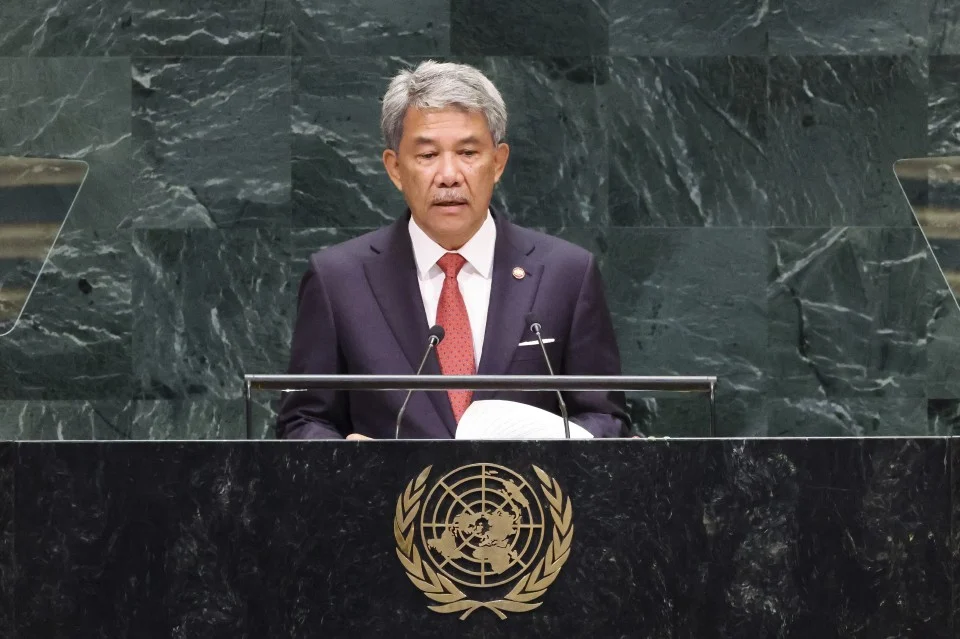
THE request by several countries for Malaysia to become Co-Chair of The Hague Group alongside South Africa, as explained by Foreign Minister Datuk Seri Mohamad Hasan, is not merely recognition of the country’s vocal stance in defending international law and humanitarian principles.
If approved by the Cabinet, the responsibility would represent a greater test for Malaysia to demonstrate that a country of moderate size and economic strength can help shape the international response to violations of international law.
This is particularly significant as the world faces a troubling paradox: international institutions are increasingly needed as conflicts spread, yet confidence in their ability to respond effectively continues to decline. The genocide in Gaza, the war in the Middle East, the closure of the Strait of Hormuz and conflicts in other regions demonstrate that the suffering caused by war no longer recognises borders, as its effects can reach the dining tables of families in Southeast Asia through rising fuel and goods prices.
It is in this context that Malaysia can play a more meaningful role through The Hague Group, rather than merely adding another platform for issuing strong statements and resolutions of condemnation. Instead, Malaysia, together with South Africa, should help translate the solidarity of like-minded countries into coordinated and sustained diplomatic and legal action with clear objectives.
However, it is also important to be realistic that a group of like-minded countries does not have absolute power to stop wars or compel major powers to change their positions. The structure of the United Nations Security Council (UNSC), particularly the veto power held by its five permanent members, remains a major obstacle, as resolutions can be blocked even when they receive the support of a majority of the international community.
Therefore, Malaysia’s strength does not lie in its ability to “outshout” major powers, but in its capacity to build bridges between countries of the Global South, the Muslim world and other nations that continue to believe in multilateralism and a rules-based international system.
Malaysia has room to utilise existing networks, including the Organisation of Islamic Cooperation (OIC) and the Group of 77 (G77), to broaden understanding that defending international law is not the agenda of any particular bloc, religion or region.
More importantly, the co-chairmanship should be used to shift the approach from reactive diplomacy towards a long-term strategy. The Hague Group can strengthen the coordination of legal expertise, information sharing, support for international justice mechanisms and efforts to ensure that decisions and obligations under international law do not remain merely documents without implementation.
The reality is that Malaysia cannot single-handedly repair an international system that is increasingly losing public confidence, much less abolish the veto power or end all conflicts.
However, as Co-Chair of The Hague Group, Malaysia can help demonstrate that when countries of moderate size act collectively, they can help ensure that international law is not merely enshrined in charters but continues to have real meaning for people who become victims of war.
Berita Harian