

Female Drug Abuse on the Rise: Influence of Husbands, Boyfriends; Women Turn to Drugs to Cope With Anxiety and Relationship Hurt
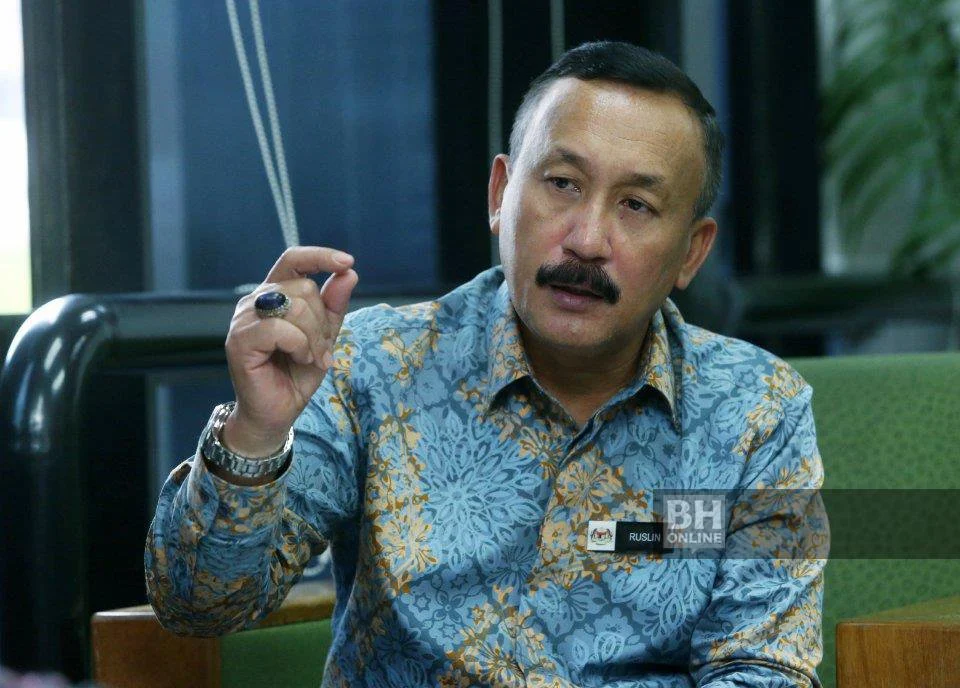
KOTA BHARU: The influence of partners, whether husbands or boyfriends, has been identified as one of the main factors behind the increase in the number of female drug users in Kelantan, which rose to 598 last year from 526 the previous year.
National Anti-Drug Agency (AADK) Director-General Datuk Ruslin Jusoh said a study found that life pressures were the main factor acknowledged by all respondents, with much of the stress stemming from domestic conflicts and husbands’ behaviour that frequently caused problems.
“This situation drives women to use drugs as a coping mechanism to forget their anxiety and the emotional hurt caused by their partners,” he told Bernama recently.
Apart from emotional stress, Ruslin said women were also often subjected to psychological manipulation by partners who normalised drug use by claiming it could improve their appearance and productivity.
“They are also influenced by people close to them into believing that stimulant drugs can help them lose weight, reduce post-pregnancy belly fat and provide extra energy to complete household chores more quickly.
“The reality on the ground shows that women in the state rarely become involved in drug abuse on their own. Instead, the risk of involvement becomes significantly higher when they live in a family environment where other members, particularly their husbands, are also drug users,” he said.
He said the cycle was further aggravated by neglect and loneliness, particularly following divorce or relationship breakdowns, which led some women to seek temporary relief through the use of illicit substances.
“Amphetamine-Type Stimulants were the most commonly used illicit substances among women in Kelantan last year, involving 557 women, while young people aged between 19 and 39 recorded the highest involvement in drug abuse, with 409 cases.
“Overall, drug addiction among women in Kelantan is often a manifestation of interpersonal stress and manipulation by partners within an unhealthy domestic environment,” he said.
Ruslin said AADK also measured the effectiveness and outcomes of its Community-Based Treatment and Rehabilitation programme (RPDK) through the Client Recovery Index (IKK), with female clients recording a recovery rate of 76.4 per cent last year.
“Of the 55 female clients assessed, 42 successfully achieved recovery levels categorised as good or excellent.
“This figure reflects the effectiveness of support provided by rehabilitation centres and the active involvement of families in helping female clients maintain their recovery within the community,” he said.
Berita Harian