

Nine Signature Sambals Recognised As Malaysian Heritage, Set To Spice Up Global Culinary Scene
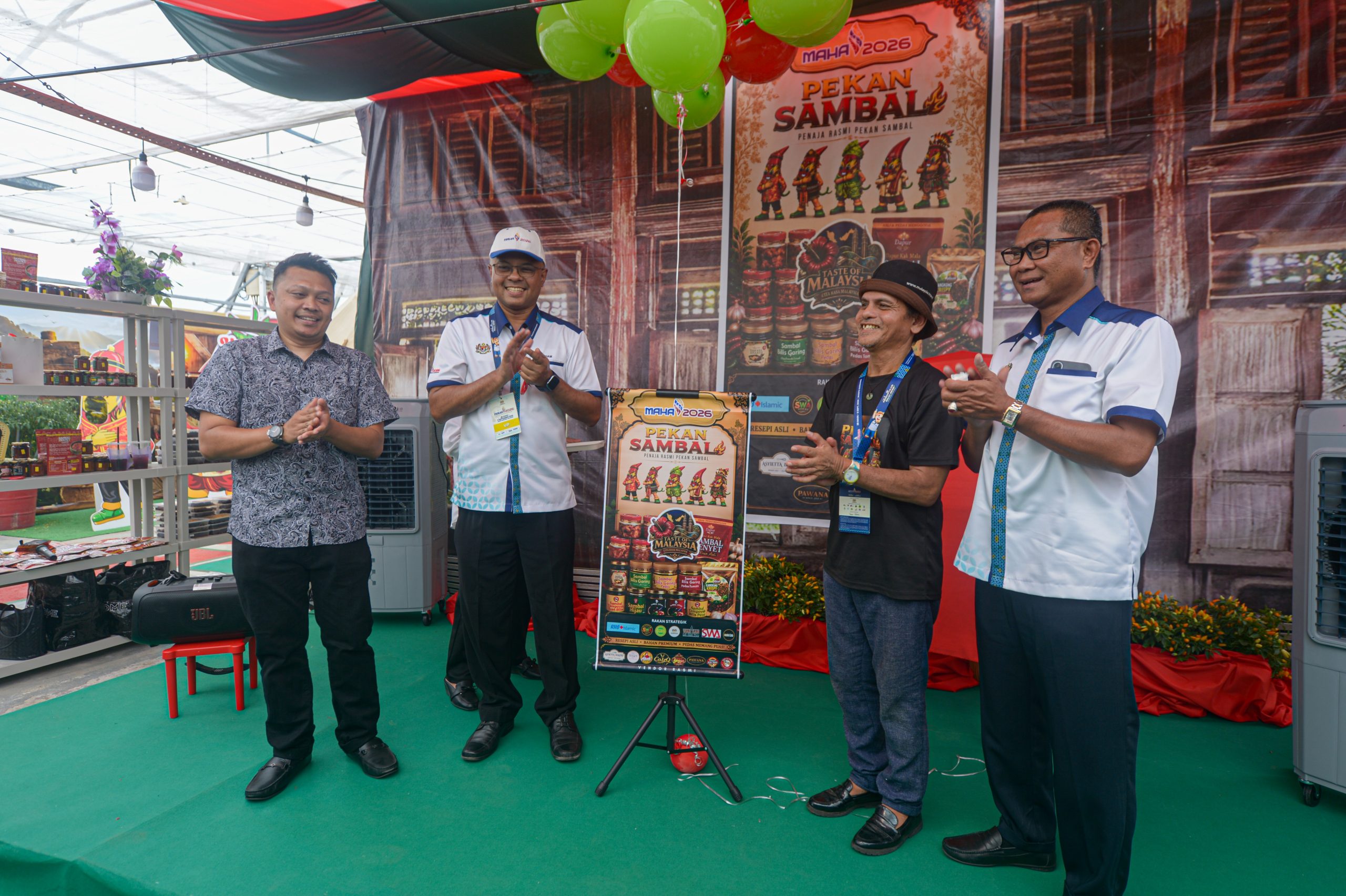
SERDANG: Nine signature sambals, including sambal belimbing hitam, sambal asam rom and sambal belacan, have been officially recognised by the Department of National Heritage as Malaysian heritage, marking a significant milestone in efforts to put the country’s traditional culinary treasures on the international map.
The recognition was announced by Agriculture and Food Security Ministry secretary-general Datuk Seri Isham Ishak during the launch of Pekan Sambal and products developed by entrepreneurs under the guidance of the Malaysian Agricultural Research and Development Institute (MARDI) at the Malaysia Agro Exposition Park Serdang (MAHA) yesterday.

Among the products launched were Wan Cu and various sambal hitam products developed with MARDI’s technical assistance, reflecting ongoing efforts to elevate traditional Malaysian food while creating greater business opportunities for local entrepreneurs.
Isham said chilli, the key ingredient in most sambal products, was also closely monitored by the Department of Agriculture, with closer cooperation between the department and MAHA organisers expected to have a direct impact on the incomes of farmers, particularly chilli growers nationwide.
The recognition of the nine heritage sambals, coupled with the growing range of chilli-based products, is expected to drive demand and create new market opportunities for producers.
MARDI has been providing technical support covering cultivation methods, crop disease management, product formulation, as well as labelling and packaging to help entrepreneurs meet standards required to penetrate regional Asian and European markets.
The Pekan Sambal concept was also introduced as a platform to bring together and commercialise different varieties of sambal, with plans to feature Chinese, Nyonya and Indian sambals in future editions.
The initiative has already attracted interest from abroad, with the organisers receiving an offer to hold a similar programme in London next year.

Beyond sambal, MARDI is also promoting space-efficient farming technologies, including long-pot systems equipped with water containers and specialised structures for crops such as long beans.
The systems are designed for urban residents living in apartments and terrace houses, allowing them to grow vegetables without requiring large plots of land.
MARDI stressed that the initiative was not intended to reduce vegetable prices in the market, but rather to help households reduce their grocery expenses.
Its studies found that growing simple vegetables such as daun kesum, water spinach and mustard greens at home could save a family up to RM60 a month.
Meanwhile, Pekan Sambal organiser and Malaysian Digital Heritage Arts and Artistic Association president Azmi Jaffri expressed his gratitude to RHB Islamic for its support as the programme’s main sponsor.
He said the sponsorship would help strengthen the initiative and support efforts to promote Malaysian sambal as part of the country’s distinctive culinary heritage.