

China to Supply 400 Missile Launchers to Iran
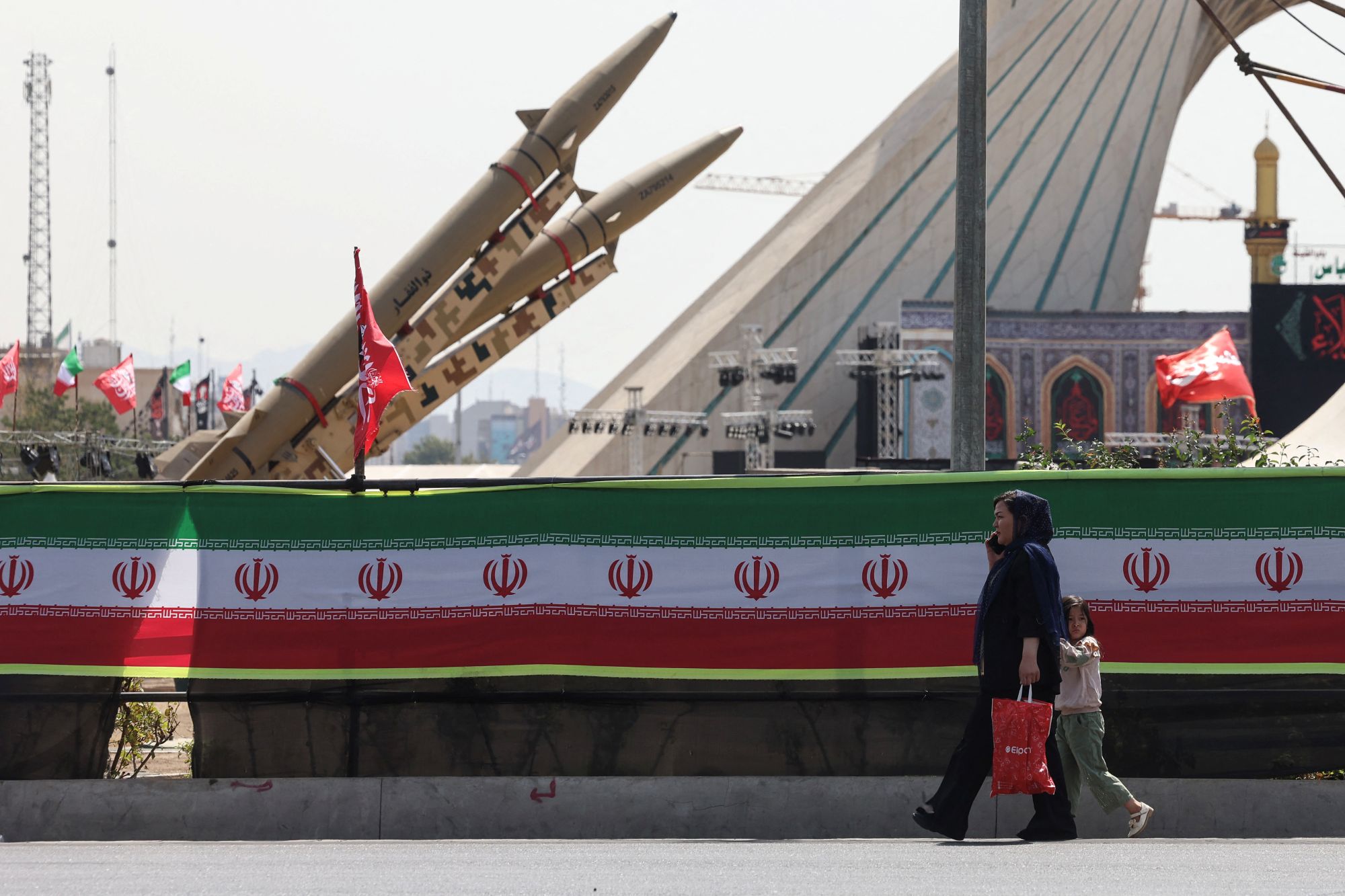
TEHRAN: Iran is expected to receive the first shipment of up to 400 portable air defence missile launchers made in China within the next few weeks, as the country seeks to reinforce its defence systems following its war with the United States (US).
According to three sources familiar with the agreement told Reuters, the purchase, valued at between US$60 million (RM245 million) and US$70 million (RM286 million), represents Tehran’s biggest move to enhance its short-range air defence capability since the outbreak of the conflict with the US-Israel.
The conflict exposed Iran’s vulnerabilities in protecting several of its military sites and strategic infrastructure.
The sources said the contract involves the purchase of between 300 and 400 man-portable air defence systems (MANPADS), including Chinese-made QW-12 and FN-16 missiles.
The agreement was signed with Zhongqing Baoshang International Investment, a Hong Kong-based company acting as an intermediary between Iran and the Chinese supplier, according to the sources.
China’s Foreign Ministry denied the reports and insisted that its country has always played a role in promoting peace and ending conflicts.
Iran now needs to re-arm itself after months of facing combat, including US and Israeli strikes on facilities linked to its missile, drone and air defence programmes.
Tehran, in turn, responded by launching large-scale ballistic missile and drone attacks.
Although Iran has invested heavily over the past two decades in developing missiles, drones and radar systems, military experts say man-portable air defence systems remain crucial because they can be rapidly moved, operated by small teams and frequently relocated, making them less vulnerable compared to fixed air defence systems.
A European security source claimed that authorities in his country were aware of several contract negotiations involving the possible sale of QW-series MANPADS to Iran, including the QW-12, QW-18 and QW-19 systems.
Another security source in West Asia said Iran had previously sought to acquire QW-12 and QW-18 missiles, but they were not aware whether the agreement had been finalised.
The QW-12 and FN-16 are infrared-guided shoulder-launched surface-to-air missile systems, designed to engage low-flying aircraft, helicopters and drones.
The systems’ mobility allows them to be rapidly deployed around military facilities, energy infrastructure and other sensitive strategic locations.
Two Western intelligence sources and an Iranian official said Tehran is also exploring the use of overland routes to transfer Chinese-made military supplies and dual-use components more covertly to reduce the risk of disruption.
AGENSI