

Iranian Ships Persist in Transiting Through Hormuz, Casting Doubt on US Maritime Blockade
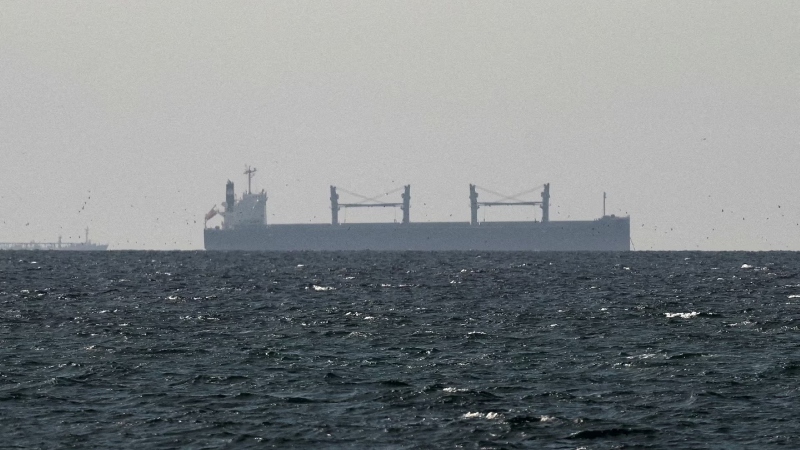
WASHINGTON: There are more and more doubts about how well the US-led maritime blockade against Iranian shipping is working, since many ships are still passing through the strategically important Strait of Hormuz despite the limits.
The United States has promised that ships will not be able to leave Iranian ports until a larger deal is made to ease tensions. However, maritime experts and tracking data show that these rules are sometimes broken and are hard to confirm.
Shipping intelligence experts say that things are much more complicated than what the government says they are on the ground or at sea. Bridget Diakun, an intelligence expert at Lloyd’s List, told AFP that people are still not sure what the blockade covers and how it works.
“It hasn’t been clear,” she said. “Partly because US authorities have given conflicting information and have been slow to release details.”
Maritime groups have looked at ship tracking data and satellite images and found that dozens of ships have continued to pass through the Strait of Hormuz. These include ships with the flag of Iran that are subject to US penalties as well as ships from other countries that do business with Iranian ports.
Analysts suggest that certain ships are employing deceptive tactics to evade monitoring systems. These include “spoofing,” which is the act of changing transponder signals to hide their true places. Analysts report that Iranian oil has undergone ship-to-ship transfers in open seas, complicating enforcement efforts.
Even though these things have happened, US officials still say that the operation has had real effects. Since the ban began, authorities have caught at least 26 ships with ties to Iran. In one important case, US troops took over a ship called the MV Tuska.
The changing situation shows how challenging it is to enforce maritime sanctions in one of the busiest and most strategically important shipping lanes in the world, where geopolitical interests and energy sources meet.